How to Maintain Your Bright Smile After Teeth Whitening

Congratulations on achieving that dazzling, pearly-white smile after your teeth whitening treatment! Now that you’ve invested time and effort into enhancing your smile, it’s crucial to maintain those radiant results for the long haul. In this blog, we’ll guide you through practical tips and expert advice on how to preserve your bright smile after teeth whitening.

Mind Your Diet:

  • One of the key factors affecting the longevity of your teeth whitening results is your diet. Certain foods and beverages, such as coffee, tea, red wine, and dark-colored fruits, can stain your teeth over time. Limiting your consumption of these items or practicing moderation can significantly contribute to maintaining your bright smile.

Stay Hydrated:

  • Water is not only essential for your overall health but also plays a vital role in preserving your teeth whitening results. Drinking water helps rinse away staining particles and keeps your mouth hydrated, preventing the formation of new stains.

Practice Good Oral Hygiene:

  • Maintaining a rigorous oral hygiene routine is fundamental to sustaining your bright smile. Brush your teeth at least twice a day, floss regularly, and consider using a whitening toothpaste. Consult your dentist about the best oral care products that align with your teeth whitening treatment.

Regular Dental Check-ups:

  • Schedule regular dental check-ups to monitor the condition of your teeth and address any potential issues promptly. Your dentist can provide touch-up treatments or recommend additional tips to help you maintain your radiant smile.

Avoid Tobacco Products:

  • Smoking and using other tobacco products not only pose significant health risks but can also stain your teeth. Quitting or reducing tobacco use will not only benefit your overall health but also contribute to the longevity of your teeth whitening results.

Use a Straw:

  • When consuming beverages that may stain your teeth, like coffee or dark sodas, consider using a straw. This helps minimize direct contact between the staining liquid and your teeth, reducing the risk of discoloration.

Be Mindful of Over-the-Counter Products:

  • While over-the-counter whitening products may seem convenient, it’s essential to use them cautiously. Consult with your dentist before incorporating any new products into your oral care routine to ensure they align with your whitening treatment.

Touch-Up Treatments:

  • Depending on the type of teeth whitening treatment you’ve undergone, your dentist may recommend periodic touch-up treatments to maintain your bright smile. Follow their advice to ensure lasting results.

Achieving a bright, white smile is a confidence-boosting accomplishment, and maintaining it requires consistent effort. By incorporating these tips into your daily routine and staying proactive with your oral care, you can enjoy your radiant smile for years to come. Remember, a healthy smile goes beyond aesthetics – it’s a reflection of your overall well-being. Keep smiling!

5 Signs It’s Time to Replace Your Dentures

Dentures play a crucial role in restoring smiles and oral functionality for millions of people worldwide. However, like any dental appliance, they have a lifespan, and knowing when it’s time for a replacement is essential for maintaining optimal oral health. In this blog post, we’ll explore five signs indicating that it might be time to replace your dentures.

Visible Wear and Tear

Over time, dentures can experience wear and tear due to constant use, chewing, and daily cleaning. If you notice visible signs of damage such as cracks, chips, or worn-down teeth, it’s a clear indication that your dentures may need replacement. Continued use of damaged dentures can lead to discomfort and potential oral health issues.

Changes in Fit and Comfort

Dentures that once fit snugly may start to feel loose or uncomfortable over time. This can occur due to changes in the shape of your jawbone, which is a natural part of the aging process. Ill-fitting dentures can cause sore spots, difficulty in chewing, and even impact your speech. If you experience these issues, it’s advisable to consult your dentist to determine if a replacement is necessary.

Gum Irritation and Inflammation

Extended use of dentures can sometimes lead to gum irritation and inflammation. If you notice redness, soreness, or swelling in your gums, it may be a sign that your dentures are no longer fitting properly. Properly fitting dentures distribute pressure evenly across your gums, preventing irritation. Regular dental check-ups can help identify these issues early on.

Difficulty Chewing or Speaking

As dentures age, they may lose their original shape, affecting your ability to chew and speak comfortably. If you find yourself struggling with these basic functions, it’s time to consult with your dentist. Difficulty in chewing can lead to nutritional deficiencies, while speech impediments can impact your confidence and social interactions.

Stains and Discoloration

Dentures are prone to staining over time, especially if proper cleaning and maintenance practices are not followed. While stains may not necessarily impact the functionality of your dentures, they can affect their aesthetic appearance. If you’re concerned about the appearance of your dentures or notice significant discoloration, it may be time to consider a replacement for a brighter and more natural-looking smile.

In conclusion, recognizing the signs that your dentures need replacement is crucial for maintaining optimal oral health and overall well-being. If you’re experiencing any of the mentioned issues, don’t hesitate to schedule an appointment with your dentist. At Spring Valley Dental Care, our team is dedicated to providing personalized and comprehensive dental care. Ensuring the longevity and functionality of your dentures is our priority, and we’re here to help you achieve a confident and healthy smile.

Setting the Stage for Dental Success: Preparing for the New Year

As the year draws to a close, it’s the ideal moment for dental professionals to set their sights on a thriving future. Embracing a fresh year means more than flipping a calendar page; it’s an opportunity to sculpt success for your dental practice. From refining patient care to leveraging cutting-edge technology, every step taken now lays the groundwork for a flourishing new year ahead. This blog is your compass, navigating through essential strategies tailored for dental excellence in the coming year. Join us on a journey filled with practical insights and actionable advice tailored to invigorate your practice and set the stage for a prosperous year ahead.

Key Strategies for Dental Success in the New Year:

1. Reflect on the Past Year’s Performance:

Before diving into planning for the new year, take a moment to analyze the past year’s performance. Evaluate key metrics, such as patient satisfaction, revenue growth, and marketing effectiveness. Understanding what worked well and areas that need improvement will guide your strategy for the upcoming year.

2. Embrace Technological Advancements:

In the rapidly evolving landscape of dentistry, technological advancements play a pivotal role. Consider investing in the latest dental technology to improve patient experience, streamline administrative tasks, and enhance treatment outcomes. Adopting digital record-keeping systems and incorporating tele-dentistry options can significantly benefit both the practice and patients.

3. Focus on Continuing Education and Training:

Stay up-to-date with the recent industry trends and advancements by investing in continuing education for yourself and your team. Attend seminars and workshops, or enroll in online courses to expand your knowledge base. A well-trained team equipped with updated skills can provide higher-quality care and attract more patients.

4. Strengthen Patient Relationships:

Developing strong relationships with your patients is crucial for the success of your dental practice. Implement patient engagement strategies such as personalized communication, follow-ups, and feedback collection. Consider offering loyalty programs or special promotions to reward patient loyalty and encourage referrals.

5. Enhance Online Presence and Marketing Strategy:

In today’s digital age, a strong online presence is imperative for the success of any business, including dental practices. Update your website with informative content, optimize it for search engines, and engage with patients on social media platforms. Implement a robust content marketing strategy to showcase expertise and attract new patients.

In conclusion, optimizing your dental practice for a successful new year involves strategic planning, embracing innovation, and nurturing patient relationships. Reflect on past performance, integrate technological advancements, and prioritize ongoing education. Strengthen patient bonds through personalized engagement and revamp your online presence to draw attention and retain clients. Remember, adaptability and consistent excellence are key to thriving in this ever-evolving industry. Implement these strategies diligently to elevate your practice’s performance. Cheers to a fruitful year ahead filled with growth, enhanced patient care, and continued success in your dental journey! Get in touch with us now for any of your dental needs or inquiries!

Christmas Tooth Care Tips from A Leading Spring Valley Dentist

Welcome to the gateway of a gleaming smile this festive season! As the holidays draw near, the anticipation of joyous gatherings and delectable feasts is palpable. Amidst the festivities, preserving impeccable oral health becomes paramount. Join us on an enlightening journey filled with practical insights straight from a trusted Spring Valley dentist.

This isn’t just another dental guide; it’s your exclusive roadmap to maintaining a radiant smile while relishing every moment of the Christmas season. Uncover expert advice, simple strategies, and interactive Christmas tooth care tips tailored to ensure your holidays are not just merry but also brimming with a healthy, vibrant smile.

The Importance of Oral Health During Christmas

Amidst the enchanting aura of Christmas, the importance of oral health often gets overshadowed by the festivities. However, this celebratory period, laden with delectable treats and social gatherings, significantly impacts our oral well-being. The abundance of sugary delights and the indulgence in rich foods pose a potential threat to our teeth and gums.

From tempting sweets to hearty meals, the increased consumption of acidic and sugary substances can lead to enamel erosion, cavities, and gum issues if left unattended. Neglecting oral hygiene during this time can dampen the holiday spirit, causing discomfort and potential dental emergencies. Therefore, prioritizing oral health during Christmas is pivotal to ensure a joyful season without compromising the health of our smiles.

Expert Christmas Tooth Care Tips

1. Mindful Indulgence

It’s tempting to indulge in an array of sugary treats during Christmas, but moderation is key. Opt for healthier alternatives whenever possible and be mindful of the frequency and quantity of sweets consumed.

2. Maintain a Dental Routine

Amidst the hustle and bustle, stick to your regular dental routine. Brushing and flossing twice a day remains crucial, especially after consuming sugary foods. Remember to replace your toothbrush if it’s worn out or after recovering from an illness.

3. Stay Hydrated

Water is not only critical for overall health but also for your oral hygiene. Drink lots of water to wash away food particles and maintain saliva production, which aids in protecting your teeth.

4. Choose Wisely

When presented with a plethora of food options, opt for teeth-friendly choices like nuts, cheese, and vegetables. These foods promote saliva production and help in cleaning teeth naturally.

5. Schedule a Dental Check-Up

Amidst the holiday rush, remember to schedule a dental check-up. Visiting your Spring Valley dentist for a routine examination can address any potential issues before they escalate.

In conclusion, this festive season, prioritize your smile by embracing these expert Christmas dental tips curated by a leading Spring Valley dentist. Remember, a little mindfulness can go a long way in preserving your oral health while relishing the holiday delights. By moderating sugary indulgences, sticking to a consistent dental routine, and making informed choices, you ensure a radiant smile throughout the festivities. Remember, a visit to your dentist for a routine check-up adds an extra layer of protection. Embrace these practices, cherish the celebrations, and gift yourself the joy of a healthy, sparkling smile this Christmas! Cheers to spreading joy with every confident and merry grin! 

Contact us for any dental-related inquiries or concerns.

Sedation Dentistry 101: Your Stress-Free Dental Options

Starting to improve dental health should not be fraught with dread. Consider a dentist appointment a relaxing experience free of worry and suffering. This concept has become a reality in the arena of Sedation Dentistry 101. Consider moderate relaxation or joyful unawareness while you go through your dental procedures. We unravel the fabric of sedation dentistry in this guide, revealing a range of alternatives to convert dental appointments into moments of peaceful certainty. Say goodbye to dental worry as we chart a course to stress-free smiles and pain-free oral care. Welcome to a new age in oral health.

What Is Sedation Dentistry? 

Sedation dentistry employs pharmacological medications to calm and soothe patients before and during dental treatments. These sedatives depress the central nervous system, impacting regions associated with conscious consciousness. There are many levels of major jumpy system depression, ranging from mild to severe drowsiness. The enteral route, which includes medication absorption over enteric membranes, and the parenteral route, which requires delivery of sedative medications outside the alimentary canal, can both be used to produce sedation. Both approaches seek to give patients a pleasant and efficient dental experience.

Types Of Sedation

Oral sedation, inhaled sedation (nitrous oxide), IV sedation, and general anesthesia are the primary kinds of sedation dentistry. Each type has pros and disadvantages, so consult your dentist to determine the best.

1. Oral Sedation:    

Oral sedation is a drug you take before the dentist that makes you sleepy, aware, and receptive. It is inexpensive and straightforward to use, but it may not be beneficial for nervous people or those with low pain tolerances.

2. Inhaled Sedation (Nitrous Oxide): 

Nitrous oxide, popularly known as laughing gas, is a gas that is breathed through a mask during a visit to cause lightheadedness and relaxation while remaining alert. Because of its immediate action and quick removal, it is appropriate for persons with respiratory or cardiac issues.

3. IV Sedation: 

Before your treatment, an IV line will be inserted into your vein, and medicine will be injected into your vein. This sort of medication will render you unconscious during the surgery. The benefit of IV sedation is that it offers more.

4. General Anaesthesia:

General anesthesia, reserved for complex treatments or acute dental fear, guarantees absolute unconsciousness, allowing dentists to execute significant work efficiently. While rigorous, it provides a quick answer for people wanting thorough therapy without requiring several consultations.

Who Is in Need of Sedation Dentistry?

Sedation dentistry can assist people of all ages, including children. Dentists frequently offer this approach for patients who have:

1. A Phobia Of Going To The Dentist: 

Dental anxiety, or dread of dental appointments, can have a substantial impact on oral health owing to unpleasant events in the past or a fear of pain. Individuals suffering from dental anxiety can benefit from sedation dentistry, which allows them to get necessary oral treatment without dread.

2. Aversion To Needles (Aichmophobia):

Individuals who have aichmophobia can benefit from sedation dentistry, which allows them to undergo dental care without experiencing needle phobia fear. Options such as nitrous oxygen or oral sedation can help overcome this reluctance and provide more pleasant dental care.

3. A Gag Reflex That Is Too Sensitive: 

With various sedation levels available, sedation dentistry provides a pleasant and anxiety-free alternative for those with overactive gag reflexes, allowing them to endure dental operations without the stress of activating this response.

4. Extremely Sensitive Teeth:

Sedation dentistry relieves those with sensitive teeth by keeping them comfortable throughout treatments, allowing dentists to address oral health issues while prioritizing their comfort.

Other reasons for requiring sedation dentistry include decreased sensitivity to local anesthesia, unique needs (physical, cognitive, or behavioral), and difficulty managing emotions.

Benefits Of Sedation Dentistry:

1. Safety And Comfort:

Ensuring safety and comfort is one of the critical benefits of this procedure. Patients can have dental operations performed without the tension and anxiety that often impede the process. Dentists may also operate more effectively when their patients are comfortable, which leads to better results.

2. Time Efficiency:

Sedation dentistry might be a time-saving alternative for people with hectic lifestyles. Dentists can execute many treatments in one sitting by inducing relaxation or unconsciousness, minimizing the number of visits required to finish the treatment plan.

3. Overcoming Dental Phobia:

Many people suffer from dental fear, which causes them to forgo required oral care. Sedation dentistry offers a feasible alternative, allowing even the most fearful individuals to obtain the dental care they need without experiencing overwhelming terror.

Choosing The Right Option:

1. Consultation With Your Dentist:

First, speaking with your dentist to choose the best sedation procedure would be best. Discuss your anxieties, medical history, and concerns openly. This conversation offers a targeted approach, allowing dentists to prescribe the safest and most effective sedation based on your specific needs and degree of comfort.

2. Risks And Considerations:

While sedation dentistry is typically safe, it is critical to identify potential hazards. Your dentist will thoroughly explain the details of your chosen sedation procedure, ensuring you’re well-informed. Factors such as medical history, allergies, and the type of surgery are considered to reduce problems. This open dialogue empowers patients, allowing them to make informed decisions and creating a safe and anxiety-free dental visit. Always prioritize open communication with your dentist for a well-informed path toward good oral health.

Acting as the conductor in the symphony of oral health, Sedation Dentistry In Maywood, NJ, eliminates dental phobias, ushering you into a tranquil journey toward excellence. Our guide empowers you to make informed decisions for gentle relaxation or deep sedation. Spring Valley Dental Care transforms routine appointments into serene moments, expediting procedures and alleviating anxiety. Bid farewell to dental fears as we usher in a new era where your smile takes center stage. Through sedation dentistry, discover the gateway to confident, pain-free smiles through personalized consultations, focused attention, and tailored treatments. Embrace trust in your dentist’s expertise as you embark on the path to optimal oral health.

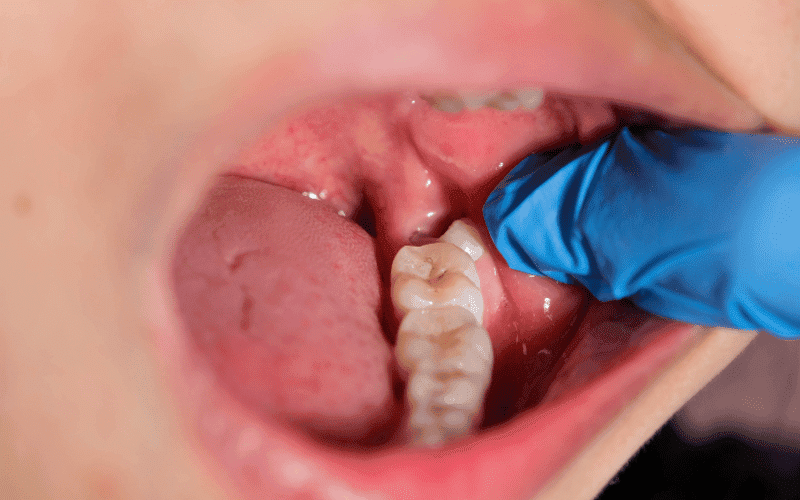
Is It Good To Remove Wisdom Teeth?

The final molars in the back of your mouth are the wisdom teeth, sometimes known as third molars. They typically emerge during late adolescence or early adulthood, a period often associated with gaining wisdom. However, the presence can also bring about various dental issues, leading many individuals to consider the option of removal. In this blog post, we will delve into the reasons behind contemplating wisdom teeth removal, the potential benefits, and the associated risks and complications.

Understanding Wisdom Teeth

Before we delve into the reasons, it’s essential to understand the nature of these molars. Wisdom teeth usually emerge between the ages of 17 and 25, and their purpose in our ancestors was to aid in grinding tough plant tissues. 

However, with changes in diet and lifestyle over time, these teeth have become more of a potential problem than an asset for many people.

Reasons for the Consideration

1. Overcrowding and Misalignment

One of the primary reasons is overcrowding and misalignment. The limited space in the jaw may cause these additional molars to push against existing teeth, leading to misalignment issues.

2. Impacted Wisdom Teeth

Impacted wisdom teeth occur when these molars don’t fully emerge or emerge at an angle. This can lead to pain, swelling, and potential damage to adjacent teeth.

3. Risk of Infection and Gum Disease

Wisdom teeth are challenging to clean due to their location at the back of the mouth. This makes them more susceptible to bacterial growth, increasing the risk of infection and gum disease.

4. Pain and Discomfort

Many individuals experience pain and discomfort as wisdom teeth start to emerge. This can be due to inflammation, pressure on surrounding teeth, or even the development of cysts around the impacted teeth.

Potential Benefits of Wisdom Teeth Removal

1. Prevention of Dental Issues

One of the key benefits is preventing potential dental issues. By removing these molars before they cause problems, individuals can avoid misalignment, overcrowding, and other complications.

2. Alleviation of Pain and Discomfort

Wisdom teeth removal can provide relief from the pain and discomfort associated with the emergence of these molars. This is particularly important for individuals experiencing acute pain from impacted or misaligned teeth.

3. Improved Oral Hygiene

Removing wisdom teeth can contribute to improved oral hygiene. Cleaning the remaining teeth effectively becomes more accessible with these molars out of the picture, reducing the risk of gum disease and cavities.

Risks and Complications

1. Possible Surgical Complications

While wisdom teeth removal is a common and generally safe procedure, there are potential surgical complications such as excessive bleeding, dry socket, or infection. These complications are rare but should be considered.

2. Nerve Damage

The proximity of nerve damage in the jaw can pose a risk of nerve damage during extraction. This may lead to numbness or tingling in the tongue, lips, or cheeks.

3. Infection and Other Post-Surgery Risks

Post-surgery, there is a risk of infection, swelling, and discomfort. Adhering to post-operative care instructions and attending follow-up appointments can minimize these risks.

In conclusion, removing is nuanced and should be based on individual circumstances. While there are potential benefits, such as preventing dental issues and alleviating pain, it’s crucial to consider the risks and complications associated with the procedure. 

Consulting with a qualified dentist, like the experts at Spring Valley Dental Care, can provide personalized insights and guidance.

They specialize in various dental services, ensuring optimal oral health for their patients. Remember, the decision should be made in consultation with a dental professional who can assess your situation and provide tailored recommendations.

How Cosmetic Dentistry Can Boost Thanksgiving Gratitude?

Are you ready to show off your pearly whites and spread Thanksgiving cheer? As we gather with loved ones, indulge in delicious meals, and express gratitude for the blessings in our lives, let’s not forget about one simple yet powerful thing that adds a sparkle to it all – our smiles! Join us as we dive into the world of cosmetic dentistry and discover how enhancing our smiles can boost our confidence and Thanksgiving gratitude. Get ready to shine like never before!

Let’s discuss how cosmetic dentistry can boost our confidence and help us achieve a brighter smile this holiday season.

The Impact of a Confident Smile on Self-Esteem

A beautiful smile can boost self-esteem and foster a positive self-image. Cosmetic dentistry interventions, such as teeth whitening, veneers, or orthodontic treatments, can address imperfections and enhance the appearance of teeth. The result is often a more confident and empowered individual ready to share their joy with the world.

Building Positive Relationships with a Radiant Smile

Our smiles play a crucial role in our social interactions. A warm and inviting smile can create a positive impression and foster connections with others. Cosmetic dentistry treatments address aesthetic concerns and contribute to the overall health of our teeth and gums, ensuring a smile that radiates health and positivity.

Embracing Gratitude for Modern Dental Technology

Cosmetic dentistry has seen remarkable technological advancements, enabling more precise and efficient treatments. From digital smile design to 3D imaging, these innovations allow patients to preview the potential outcomes of cosmetic procedures and make informed decisions about their dental care. Expressing gratitude for modern dental technology is a testament to the continuous improvement in oral healthcare.

Teeth Whitening: A Brighter Perspective on Gratitude

Teeth whitening is one of the most sought-after cosmetic dentistry treatments. As we express gratitude for the moments that bring joy and laughter, a brighter and whiter smile can amplify those positive emotions. Whether through in-office procedures or at-home kits, teeth whitening offers a simple yet impactful way to enhance our smiles and celebrate the beauty of gratitude.

Veneers: Transforming Imperfections into Gratitude

Dental veneers are thin shells covering the teeth’ front surface, effectively masking imperfections and creating a flawless appearance. This transformative cosmetic solution allows individuals to express gratitude for their enhanced smiles and the confidence and self-assurance that veneers can instill.

Orthodontic Treatments: Aligning with Grateful Positivity

Orthodontic treatments, such as braces or clear aligners, go beyond aesthetics to address functional and health-related concerns. Embracing gratitude for orthodontic interventions involves recognizing the long-term benefits, from improved oral health to a straighter and more harmonious smile. Individuals undergoing orthodontic treatments this Thanksgiving may find joy in their journey toward a perfectly aligned smile.

Smile Makeovers: Crafting a Grateful Expression

A smile makeover involves a combination of cosmetic dentistry procedures tailored to achieve a patient’s desired outcome. This holistic approach allows individuals to express gratitude for each enhancement and the comprehensive transformation of their smiles. From addressing discoloration to reshaping teeth, a smile makeover is a celebration of gratitude for the artistry of cosmetic dentistry.

Investing in Long-Term Gratitude Through Dental Implants

Dental implants provide a permanent solution for missing teeth, providing aesthetic and functional benefits. Expressing gratitude for dental implants involves recognizing the restored confidence and improved quality of life they bring. As individuals savor their Thanksgiving meals, they can do so with gratitude for a complete and natural-looking smile.

Aligning Oral Health with Thankfulness

Cosmetic dentistry intersects with oral health, creating a harmonious balance between aesthetic enhancements and functional well-being. Expressing gratitude for a healthy smile involves valuing preventive measures, regular dental check-ups, and the guidance of dental professionals who play a crucial role in maintaining and enhancing our oral health.

Thanksgiving Smiles: A Reflection of Inner Gratitude

Ultimately, cosmetic dentistry contributes to the external reflection of inner gratitude. As individuals invest in their smiles, they embark on a journey of self-appreciation and acknowledgment of the beauty they carry within. This Thanksgiving, let us recognize and celebrate the power of a grateful smile. This smile emanates from a place of self-love and appreciation for the transformative impact of cosmetic dentistry.

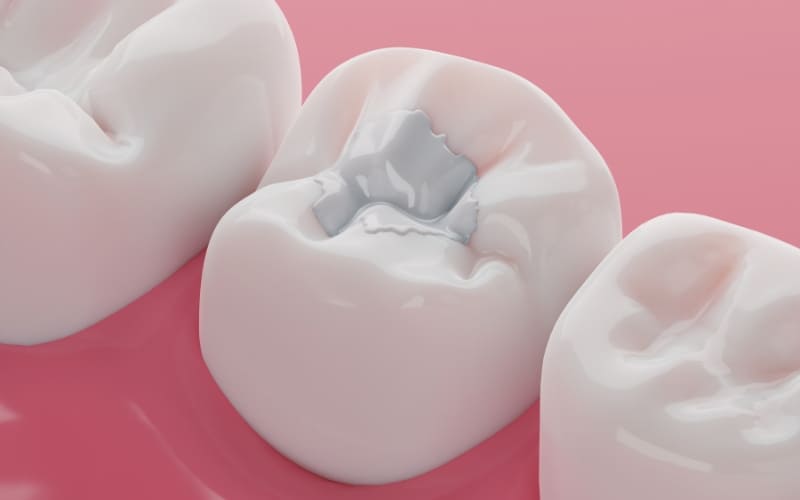
How Long Do Composite Fillings Last?

The development of composite fillings in dentistry signified a breakthrough step towards restoring tooth health and preserving our teeth’ appearance. Understanding the longevity of composite fillings is critical whether you’ve just had dental treatment or are considering it in the future. In this article, we’ll dig into the complexities of these tooth-colored wonders, investigating their durability, upkeep, and the factors that might impact their lifespan.

Unveiling The Marvel Of Composite Fillings

Composite fillings are a popular alternative to conventional amalgam fillings. They are sometimes known as tooth-colored or white fillings. They are made of a plastic resin and microscopic glass particles that blend in with the natural color of your teeth. Because of this cosmetic benefit and adaptability, they are a popular alternative for many dental operations.

The Expected Lifespan

One of patients’ most common inquiries is, “How long do composite fillings last?” The answer varies on various conditions, but composite fillings are projected to last 7 to 10 years on average. However, this estimate is prone to fluctuate depending on individual habits, dental hygiene practices, and the precise position of the filling within the mouth.

Factors Influencing Longevity

1. Oral Hygiene Habits:

Naturally, proper dental hygiene habits are critical to the life of composite fillings. Brushing, flossing, and periodic dental check-ups all help to provide a better environment for fillings, lowering the chance of deterioration and damage.

2. Dietary Choices:

The meals we eat can influence the longevity of composite fillings. Acidic and sugary foods, typical causes of tooth decay, can also erode the integrity of fillings over time. A balanced diet benefits both dental and general health.

3. Bruxism (Teeth Grinding):

Individuals who grind their teeth, a condition known as bruxism, may have a composite filling that lasts less time. Constant pressure and friction might cause the material to wear out more quickly, demanding awareness in monitoring and regulating this behavior.

4. Location of the Filling:

The placement of the filling within the mouth might impact its longevity. Fillings in high-impact sites, such as chewing molars, may endure higher stress and wear, shortening their lifespan compared to less demanding places.

Maintaining The Brilliance: Tips For Prolonged Longevity

1. Regular Dental Check-ups:

Scheduled dental appointments enable the early diagnosis of possible problems with composite fillings. Timely treatments can correct issues before they worsen, extending the life of the fillings.

2. Avoiding Habits that Stress Teeth:

Conscious attempts to reduce behaviors such as teeth grinding or clenching can substantially influence composite filling life. Dentists may advise the use of night guards to reduce the symptoms of bruxism while sleeping.

3. Adopting a Tooth-Friendly Diet:

Sensible dietary choices, such as reducing sugary and acidic meals, can help preserve composite fillings’ integrity. A calcium and phosphorus-rich diet can also help with oral health.

Signs Of Deterioration

Composite fillings may show symptoms of wear like discoloration, rough edges, or sensitivity over time. Regular check-ups and preventive oral care are essential for detecting problems early and preserving the quality of dental work.

As we identify the secrets of composite filling longevity, it becomes clear that it results from a combined effort by patients and dental practitioners. While the average lifetime serves as a basic guideline, individual practices and circumstances also have an important effect. You can extend the life of your Composite Fillings, Maywood, NJ, by practicing excellent dental hygiene, making smart food choices, and addressing risky habits. Remember that a healthy smile is a testimonial to a comprehensive approach to oral care, not simply dental operations.

Are You Fully Asleep With IV Sedation?

IV sedation, also known as intravenous sedation, is a common method used in medical and dental procedures to help patients relax and manage anxiety. It involves the administration of sedative drugs through an IV line, allowing for a controlled and precise level of sedation.

Understanding the effects of IV sedation and its benefits is crucial for patients considering or undergoing procedures that require this form of sedation. In this blog post, we will delve into the process of IV sedation, discuss the various levels of sedation, address common misconceptions, and provide insights on ensuring full sedation for a comfortable experience.

It is essential to have open and detailed discussions with healthcare providers regarding sedation options to ensure a successful and safe procedure.

How IV Sedation Works?

1. Selection of Sedative Drugs

Healthcare providers choose sedative drugs based on the patient’s medical history, procedure type, and individual needs, including benzodiazepines, propofol, and opioids.

2. Placement of IV Line

A healthcare professional inserts an IV line into a vein, typically in the patient’s arm or hand, to deliver sedative drugs directly into the bloodstream.

3. Monitoring Vital Signs

During the procedure, continuous monitoring of vital signs like blood pressure, heart rate, and oxygen levels ensures patient safety and helps healthcare providers adjust sedation levels if needed.

4. Administration of Sedatives

The IV line is used to slowly administer sedative medication, with the rate and dosage varying based on the patient’s weight, age, and desired sedation level.

5. Relaxation and Drowsiness

Sedatives induce deep relaxation and drowsiness in patients, reducing anxiety and discomfort associated with the procedure.

6. Pain Management:

IV sedation involves administering analgesics to manage pain and discomfort during the procedure, ensuring a more comfortable experience for the patient.

7. Consciousness and Responsiveness

IV sedation doesn’t cause complete unconsciousness like general anesthesia, but patients remain conscious and responsive during procedures, potentially experiencing limited memory due to sedative drug amnesia.

8. Continuous Monitoring

The healthcare team will monitor the patient’s vital signs, sedation level, and overall well-being during the procedure, making necessary adjustments for comfort and safety.

9. Recovery Period

After the procedure, patients are monitored in a recovery area until fully awake and safe to return home, requiring a responsible adult for transportation.

10. Post-procedure Care

Patients are given detailed instructions on post-procedure care, including any necessary restrictions, medications, or follow-up appointments, which are crucial for a successful recovery.

Understanding the step-by-step process of IV sedation is crucial for patients, and consulting a healthcare provider is essential to discuss concerns, risks, and benefits specific to the individual’s case.

Levels Of Sedation

1. Minimal Sedation

The patient is awake but relaxed, with minimal effect on cognitive function and coordination. Vital signs remain unaffected.

2. Moderate Sedation (Conscious Sedation)

The patient has a reduced consciousness and can respond purposefully to verbal commands. Breathing and cardiovascular functions are typically maintained.

3. Deep Sedation

The patient is in a state of depressed consciousness, with the ability to respond to painful stimuli. Breathing may be impaired, requiring assistance.

4. General Anesthesia

The patient is unconscious and unresponsive. Breathing and cardiovascular functions require full support. This level is typically reserved for complex surgical procedures.

Understanding the different levels of sedation helps healthcare providers tailor the sedation plan to meet each patient’s specific needs and comfort level during medical or dental procedures.

Common Misconceptions:

1. Complete Unconsciousness

Misconceptions suggest patients are asleep during the procedure, but most remain conscious and responsive, albeit deeply relaxed.

2. Lack of Control

Some patients fear losing control over their bodies or actions during IV sedation, but they can still follow instructions and cooperate with healthcare providers.

3. Memory Loss

Many people believe IV sedation causes no memory loss, but not all patients experience complete memory loss.

4. Prolonged Recovery

The misconception is that IV sedation recovery is lengthy and difficult, but in reality, most patients recover quickly, feeling alert and back to normal within a few hours.

5. Risks and Safety Concerns

IV sedation is a safe and commonly used technique, mainly when administered by trained healthcare professionals in a controlled setting, despite concerns about its safety.

Open communication with healthcare providers is crucial in clarifying misconceptions about IV sedation, ensuring patients make informed decisions and alleviate unnecessary fears, and ensuring a comfortable and successful experience.

The Truth About Being “Fully Asleep” After IV Sedation

The term “fully asleep” refers to deep relaxation where patients experience reduced awareness and minimal discomfort. While not equivalent to natural sleep, the sedative effects create a serene environment, allowing medical professionals to perform precise procedures and patients to undergo treatments more comfortably.

Is IV Sedation Right for Everyone?

While IV sedation is generally safe, not everyone is an ideal candidate. Factors such as medical history, current health conditions, and medications being taken must be considered. A thorough pre-procedure evaluation by the healthcare team helps determine the suitability for individual patients.

Understanding IV sedation is crucial for patients undergoing medical or dental procedures. It involves discussing different levels, addressing misconceptions, and ensuring full sedation. Open discussions with healthcare providers help create a tailored plan. Choosing the right level of sedation is crucial for a comfortable procedure. Engaging in decision-making ensures confidence and peace of mind.

How Often Should You Go For Dental Cleaning?

Regular Dental Cleaning is necessary for optimal oral health. These expert cleanings and at-home oral care give a deeper degree of treatment, avoiding tooth decay, gum disease, and other dental concerns. This blog article will cover the significance of regular Dental Cleaning and the suggested frequency for these necessary procedures. Understanding the importance of periodic cleanings allows you to take proactive measures to keep your smile healthy and vibrant.

Factors To Consider:

1. Individual oral health needs:

It is critical to consider your oral health needs when deciding the frequency of dental cleaning. Consider any history of dental issues, such as cavities or gum disease. If you are more likely to develop these problems, your dentist may advise you to undergo more frequent cleanings to treat and prevent future damage.

2. Presence of gum disease or other dental issues:

If you already have gum disease or other dental problems, consider this when deciding how frequently to get your teeth cleaned. Your dentist may prescribe more frequent cleanings to manage these diseases and avoid potential difficulties properly.

3. The impact of lifestyle habits:

Smoking and eating a high-sugar diet, for example, might harm your dental health. These practices can raise the likelihood of dental disorders such as cavities and gum disease. If you have such behaviors, you should consider arranging more frequent dental cleanings to address and manage the potential implications on your teeth and gums.

4. Recommendations from dental professionals:

Dentists and dental hygienists are oral health and hygiene professionals. Based on your specific circumstances, they can give critical advice on the frequency of dental cleaning. Speaking with your dentist to obtain personalized advice customized to your oral health needs is best.

Taking these elements into account will assist you in determining the right frequency for your dental cleaning. You can ensure that you receive the correct degree of treatment to maintain optimal oral health by taking into account your particular needs, any existing dental disorders, the influence of your lifestyle choices, and the suggestions of dental specialists. Be bold and talk to your dentist about developing a personalized strategy to support your long-term oral health.

General Guidelines:

1. Most dental practitioners recommend that most people get their teeth cleaned every six months.

2. Children, especially throughout their developing years, may benefit from more regular cleanings.

3. Adults often schedule regular dental cleaning every six months.

4. Because age-related issues impact dental health, seniors may require more regular cleanings.

By following these general rules, you may guarantee that your teeth and gums receive frequent expert care, ensuring excellent oral health throughout all phases of life.

Benefits Of Regular Dental Cleaning:

1. Prevents tooth decay and cavities:

Regular Dental Cleaning assists in removing plaque and tartar accumulation, which are key contributors to tooth decay. Cleanings help prevent the growth of cavities and maintain the condition of your teeth by removing these dangerous particles.

2. Reduces the risk of gum disease:

Gum disease is a prevalent oral health condition that, if left untreated, can cause inflammation, bleeding gums, and even tooth loss. Professional cleanings successfully remove plaque and germs from the gumline, lowering the risk of gum disease and preserving gum health.

3. Maintains general dental health and hygiene:

Dental cleaning treats more than individual problems. They help improve oral health and hygiene by thoroughly cleaning difficult-to-reach regions and eliminating stains. This keeps your teeth and gums clean, fresh, and germs-free.

4. Early diagnosis of dental issues:

Dental specialists inspect your teeth and gums for any symptoms of dental disorders during routine cleanings. This early discovery enables rapid intervention and treatment, preventing more serious problems from arising.

5. Improved look and fresher breath:

Dental cleaning helps reduce germs and plaque contributing to foul breath. Furthermore, eradicating surface stains during cleanings might result in a brighter, more appealing grin.

6. Saves money in the long run:

Investing in regular dental cleaning helps you avoid the development of more significant dental disorders that necessitate costly treatments. Early detection of issues via cleanings can spare you from the financial pressures of expensive dental operations.

7. Promotes overall health:

Studies have found a correlation between dental health and overall health. Regular dental cleaning can improve your general health by lowering your risk of systemic disorders, including heart disease, stroke, and diabetes.

You may get these benefits and preserve excellent oral health by prioritizing regular dental cleaning. Prevention is critical; regular cleanings are important to your dental hygiene regimen.

Risks Of Infrequent Cleaning:

1. An increased risk of acquiring dental issues such as cavities and gum disease.

2. The possibility of more invasive and pricey treatments if oral concerns are not addressed.

Treating oral health concerns early on, keeping a healthy mouth, and having regular dental cleaning assist in reducing these risks. Remember to consider the value of frequent professional dental treatment for your dental health.

Regular dental cleaning is essential for good oral health and cleanliness. You may avoid tooth decay, gum disease, and other dental problems by following the basic rule of schedule cleaning every six months. However, individual oral health demands, dental disorders, and the influence of lifestyle behaviors must all be considered. Consult your dentist to decide the frequency of cleanings that best fit your unique needs, ensuring your smile stays healthy and vibrant for many years.