
Can Dental Implants Get Cavities?

Regarding dental health, we often think about natural teeth and the common issue of cavities. But what about dental implants? Do they get cavities as well? In this blog, we will explore the fascinating world of dental implants, the concept of cavities, and whether these artificial teeth replacements can develop cavities. 

We’ll also provide some valuable tips on how to protect your implants from potential cavities.

What Are Dental Implants?

Dental implants are advanced, permanent tooth replacements. They comprise three key components: the titanium implant that is surgically placed into the jawbone, an abutment that connects the implant to the prosthetic tooth, and the crown, which is the visible part resembling a natural tooth. 

Dental implants are widely used to restore a smile’s functionality and aesthetics.

What Are Dental Cavities?

Dental cavities, also called teeth holes, occur when our teeth decay. They happen when bacteria in the mouth produce acids that erode the enamel, the protective outer layer of natural teeth. 

Can Dental Implants Develop Cavities?

The answer to this question is “NO”. This is because the crown portion of a dental implant is typically made from materials like porcelain or ceramic, which are not susceptible to decay. 

However, it’s essential to remember that while the crown is immune to cavities, the surrounding gum tissue and the jawbone can still be affected by gum disease and bone loss, respectively. 

Therefore, maintaining good oral hygiene is crucial to prevent these issues that might indirectly impact your implants.

Tips To Save Your Implants From Cavities

1. Maintain Excellent Oral Hygiene:

Regularly brush and floss. Using an antimicrobial mouthwash can also help keep the surrounding tissues healthy.

2. Visit Your Dentist:

Regular check-ups are essential to monitor the condition of your implants and ensure there are no issues with the surrounding structures.

3. Diet and Nutrition:

Consume a well-balanced diet that is low in sugar and acidic foods. These can not only affect your natural teeth but also the health of your gums and jawbone.

4. Quit Smoking:

Smoking can lead to gum disease and bone loss, which can indirectly affect the stability of your dental implants.

5. Consider Night Guards:

Protecting your natural teeth and implants is essential if you tend to grind your teeth. A night guard can help prevent excessive wear and tear.

Final Words

In dental health, dental implants are a remarkable innovation. Their immunity to cavities in the crown portion makes them an attractive option for tooth replacement. However, they are only partially maintenance-free. To ensure longevity, it’s essential to maintain good oral hygiene and pay regular visits to your dentist.

Spring Valley Dental Care, your trusted partner in dental health, can provide expert guidance on dental implants and their care. If you have any concerns or questions about your implants, don’t hesitate to contact our professional team. Dental implants can give you a beautiful, functional smile for years with proper care and attention.
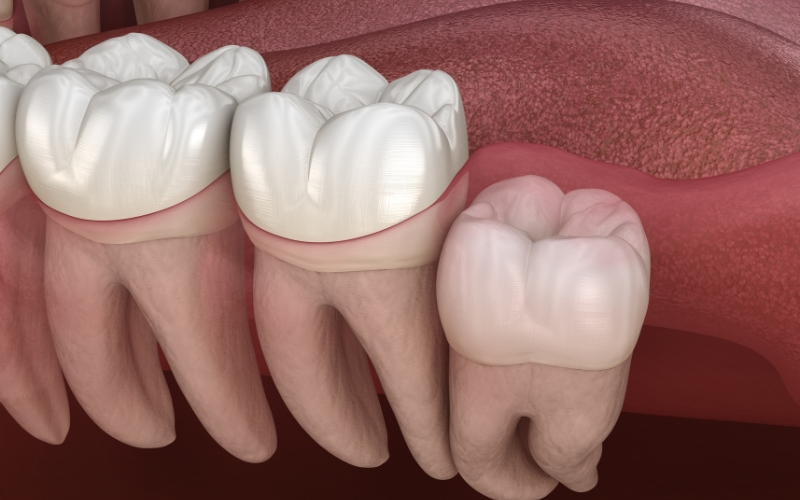
What Can I Eat After Wisdom Teeth Extraction?

Wisdom teeth extraction is a standard dental procedure many people undergo during their lifetime. While it can alleviate pain and discomfort caused by impacted or problematic wisdom teeth, the recovery process requires careful attention, especially regarding your diet. 

In this blog, we’ll explore the importance of a proper post-extraction diet, the types of dental sedation available, and provide a detailed guide on foods to eat and avoid during wisdom teeth extraction recovery. 

Whether you’ve just had your wisdom teeth removed or are planning for the procedure, this information will help you navigate this crucial aspect of your recovery journey.

Importance of Proper Post-Extraction Diet

Your diet plays a vital role in the healing process after wisdom teeth extraction. A well-balanced diet ensures that your body receives the necessary nutrients to promote tissue repair and reduce the risk of infection. 

The right foods can also help minimize discomfort and swelling while preventing complications from consuming improper foods.

Diet for the First 24 Hours

Immediately after your wisdom teeth extraction, your focus should be on maintaining proper oral hygiene and minimizing the risk of infection. 

During the first 24 hours, it’s advisable to stick to a liquid or soft food diet to avoid disturbing the surgical site. Here’s a list of suitable options:

– Cold soups like chicken or vegetable broth

– Smoothies or milkshakes (avoid using straws, as they can dislodge blood clots)

– Yogurt or pudding

– Applesauce

– Mashed potatoes or sweet potatoes

– Scrambled eggs (soft-cooked)

– Ice cream (in moderation)

Foods You Can Eat After Wisdom Teeth Removal

As you progress through the initial recovery phase, you can gradually introduce more solid foods into your diet. Soft foods that require minimal chewing are ideal to prevent irritation or damage to the surgical area. Consider the following options:

1. Cooked and mashed vegetables, such as carrots or peas.

2. Soft pasta dishes like macaroni and cheese.

3. Oatmeal or porridge.

4. Steamed or poached fish.

5. Soft fruits like bananas or avocados.

6. Tofu or soft chicken.

7. Rice, quinoa, or couscous.

These foods are gentle on your healing gums and provide the essential nutrients your body needs for a smooth recovery.

Foods That You Should Avoid After the Surgery

While knowing what you can eat after wisdom teeth extraction is crucial, it’s equally important to be aware of foods that should be avoided during recovery. Steer clear of the following items, as they can hinder the healing process and increase the risk of complications:

1. Crunchy or hard foods: Nuts, chips, and raw vegetables can irritate the surgical site and even dislodge blood clots.

2. Spicy and acidic: These foods can cause discomfort and potentially irritate the healing area.

3. Hot beverages: Scalding liquids can disrupt blood clot formation and damage tissues.

4. Alcoholic beverages: Alcohol can interfere with healing and should be avoided during recovery.

5. Carbonated drinks: Soda bubbles can be uncomfortable and increase the risk of complications.

6. Foods with tiny seeds: Poppy seeds, sesame seeds, and the like can get lodged in the surgical site, leading to infection.

7. Chewy or sticky foods: Caramels, taffy, and gum can pull at stitches and disrupt healing.

Tips for Comfort and Healing

In addition to following a proper post-extraction diet, here are some tips to help you achieve a comfortable and speedy recovery:

1. Follow your dentist’s or oral surgeon’s post-operative instructions diligently.

2. Take prescribed pain medications as directed.

3. Apply ice packs to reduce swelling during the first 48 hours.

4. Maintain good oral hygiene by gently rinsing your mouth with warm saltwater after meals.

5. Get plenty of rest to aid the healing process.

6. Avoid strenuous physical activity for the first few days.

7. Stay hydrated by drinking plenty of water (avoid using straws).

A well-planned diet is essential for a successful and comfortable wisdom teeth extraction recovery. Remember to follow your dentist’s or oral surgeon’s recommendations closely and prioritize soft, nourishing foods to promote healing. 

If you have any concerns or questions about your recovery process, please get in touch with Spring Valley Dental Care or your healthcare provider for guidance. By taking proper care of yourself and your diet, you can look forward to a smooth and speedy recovery after wisdom teeth extraction.

IV Sedation Dentistry: Things to expect

Visiting the dentist can be a nerve-wracking experience for many people. Dental anxiety is a common issue, whether it’s the sound of the drill or the fear of pain. Fortunately, there’s a solution that can make your dental visits much more comfortable – IV sedation dentistry. 

In this blog, we’ll explore what IV sedation dentistry is, how it works, its benefits, potential side effects, and why it might be the right choice for your next dental appointment.

Definition of IV Sedation Dentistry

IV sedation dentistry, or intravenous sedation dentistry, is a dental procedure in which sedative drugs are administered through an intravenous (IV) line to induce deep relaxation and reduced patient awareness. 

This technique is often used for patients with dental anxiety, phobias, or those undergoing extensive dental procedures.

Types of Dental Sedation

Before delving into the IV sedation process, it’s essential to understand the various types of dental sedation available:

1. Nitrous Oxide (Laughing Gas):

Nitrous Oxide or Laughing Gas is inhaled through a mask; this mild sedative helps patients relax during the procedure without losing consciousness.

2. Oral Sedation: 

This involves taking prescribed oral medications before the dental appointment to induce a calming effect. Patients remain conscious but relaxed.

3. IV Sedation: 

As the focus of this blog, IV sedation is the most potent form of dental sedation. It delivers sedatives directly into the bloodstream for deeper relaxation.

4. General Anesthesia:

Reserved for complex oral surgeries, general anesthesia renders patients completely unconscious.

The IV Sedation Process

IV sedation dentistry involves several stages:

A. Pre-Procedure Preparation

Before your dental appointment, your dentist will review your medical history and discuss any allergies or medications you are taking. 

This ensures that IV sedation is safe for you. You’ll also be advised to abstain from food and drink for a specified period before the procedure.

B. Arrival at the Dental Office

On the day of your appointment, you’ll be escorted to the treatment room, where an experienced anesthesiologist or nurse anesthetist will prepare the IV line. 

The sedative is administered through this line, allowing precise control of its effects.

C. During the Dental Procedure

Once the IV sedative takes effect, you’ll enter a state of deep relaxation. You may still be conscious enough to respond to verbal commands, but you’ll likely have little to no awareness of the dental procedure. 

Your vital signs, such as heart rate and blood pressure, will be continuously monitored to ensure your safety.

D. After the Procedure

After the dental procedure, the IV sedative will be discontinued, and you’ll gradually regain full consciousness. However, you may still feel dizzy and disoriented. 

Having a friend or family member accompany you to the appointment is crucial to drive you home, as you should avoid operating heavy machinery or making important decisions for the rest of the day.

Benefits of IV Sedation Dentistry

IV sedation dentistry offers numerous advantages:

A. Pain and Anxiety Management

One of the primary benefits of IV sedation dentistry is its ability to manage pain and anxiety effectively. 

Patients often report little to no discomfort during their dental procedures and a significant reduction in dental anxiety.

B. Enhanced Comfort During Procedures

The deep relaxation induced by IV sedation allows dentists to work more efficiently. Complex procedures that might otherwise require multiple visits can often be completed in a single session, reducing the overall time spent in the dental chair.

C. Time Efficiency

As mentioned, IV sedation can expedite dental procedures. This time efficiency benefits both the patient and the dental team. Fewer appointments mean less time away from work and other commitments for patients.

D. Improved Dental Experience

IV sedation dentistry can turn a stressful and uncomfortable dental experience into a much more pleasant one. 

Patients who previously avoided the dentist due to fear or anxiety can now maintain oral health without dreading upcoming appointments.

Potential Side Effects of IV Sedation Dentistry

While IV sedation dentistry is generally considered safe, there are some potential side effects and risks to be aware of. These can include:

1. Nausea and Vomiting: 

After the surgery, some individuals could feel queasy or sick to their stomach.

2. Drowsiness: 

Feeling tired and disoriented for several hours following IV sedation is common.

3. Soreness at the IV Site: 

You may experience mild discomfort or bruising at the IV insertion site.

4. Allergic Reactions: 

Although rare, allergic reactions to the sedative drugs can occur.

5. Respiratory Issues: 

In extremely rare cases, breathing-related complications can occur, so continuous monitoring is essential.

It’s crucial to discuss any concerns or medical conditions with your dentist before undergoing IV sedation to minimize these risks.

In summary, IV sedation dentistry is valuable for individuals seeking a more comfortable and anxiety-free dental experience. Spring Valley Dental Care, known for its commitment to patient comfort and well-being, offers IV sedation dentistry to make dental visits stress-free. 

If you’ve been avoiding the dentist due to fear or anxiety, consider discussing IV sedation to ensure your oral health remains a top priority. With IV sedation, a brighter smile and improved dental health are well within reach, all while minimizing discomfort and anxiety. Don’t let dental fear hold you back; explore the benefits of IV sedation dentistry at Spring Valley Dental Care and take the first step towards a healthier, happier smile.