Use-It-or-Lose-It: Maximize Your Dental Benefits Before December 31 (Maywood, NJ)

As the year wraps up, many patients in Maywood, New Jersey and nearby Bergen County towns—Alpine, Ho-Ho-Kus, Saddle River, Franklin Lakes, Ridgewood, Oradell, and Glen Rock—start thinking about holiday travel, family plans, and end-of-year deadlines. One deadline that’s easy to miss is your dental insurance and FSA/HSA benefits.

For many plans, unused benefits do not roll over into the next year. That means money you’ve already paid into premiums (or set aside in pre-tax accounts) can be left on the table if you wait until January. This December blog explains what “use it or lose it” really means, what dental benefits commonly reset, and the smartest ways to maximize what you have before December 31.


Why December Is the Best Time to Schedule Dental Care

Most dental insurance plans operate on a calendar-year cycle. When the calendar flips to January 1, benefits often reset, including:

  • Your annual maximum (the total amount your plan will pay each year)
  • Deductibles (what you pay before coverage begins)
  • Frequency limits for preventive services (cleanings, exams, X-rays)

If you’ve delayed treatment—whether it’s a crown, filling, gum therapy, or replacing an older restoration—December is often the month when timing matters most.


What “Use-It-or-Lose-It” Typically Means

Every plan is different, but many dental plans include some version of these annual limits:

1) Annual Maximum

This is the cap on what your plan will contribute in a year (often around $1,000–$2,000). Once you hit it, additional treatment is usually out-of-pocket until January 1.

If you still have remaining benefits in December, it may be cost-effective to complete needed treatment now rather than pay more next year.

2) Deductible Reset

Many plans require a deductible for certain services. If you already met your deductible earlier this year, you may be in a better position to complete treatment in December—because you typically won’t have to meet that deductible again until January.

3) Service Frequency Limits

Plans often cover preventive care at set intervals. For example:

  • 2 cleanings per year
  • 1–2 exams per year
  • X-rays on a schedule (varies by type)

If you skipped a cleaning earlier this year, December may be your last chance to use that covered visit.


Don’t Forget FSA and HSA Deadlines

Flexible Spending Accounts (FSA)

FSAs are often the true “use it or lose it” accounts. Many plans require funds to be used by December 31, though some employers offer:

  • A short grace period, or
  • A limited rollover amount

Because the rules depend on your employer’s plan, it’s wise to check your FSA balance and deadlines early in December.

Health Savings Accounts (HSA)

HSAs generally do not expire the same way FSAs do, but they’re still a smart way to cover eligible dental expenses with pre-tax dollars.


What Treatments Make Sense to Complete Before Year-End?

If you have remaining benefits, December can be an ideal time to complete treatment that improves health, comfort, and function. Common examples include:

Preventive Care: Cleanings and Exams

Preventive visits are one of the simplest ways to maximize benefits. A professional cleaning and exam can help catch issues early—before they become more expensive (and more urgent) later.

Fillings for Cavities

If you’ve been told you need a filling, addressing it now can help prevent progression into deeper decay that could require a root canal or crown.

Crowns and Major Restorations

Crowns, onlays, and other restorative work often use a meaningful portion of your annual maximum. If you’ve already met your deductible and still have remaining benefits, December can reduce your overall out-of-pocket expense.

Gum Treatment

If you’ve been diagnosed with gum disease or need periodontal maintenance, year-end is a good time to stay current—because gum health tends to worsen when care is delayed.

Replacing Older Dental Work

Worn fillings, older crowns, or recurring sensitivity can be signs that restorations are failing. Replacing them proactively can help avoid a “surprise emergency” during a holiday or weekend.

Emergencies and Last-Minute Issues

If you’re experiencing pain, swelling, or a damaged restoration, do not wait. Urgent problems have a way of getting worse at the most inconvenient time. If you need emergency dental guidance, you can start here:
https://dentalcarespringvalley.com/emergency-dentistry/


Smart Ways to Stretch Benefits Before December 31

Here are a few practical strategies that often help patients get more value from their plan:

1) Request a Benefits Check

A quick benefits review can help you understand:

  • How much of your annual maximum remains
  • Whether your deductible has been met
  • Coverage levels (preventive vs. basic vs. major services)

2) Prioritize Treatment by Risk

If multiple items are on your treatment plan, prioritize:

  1. Anything involving pain, infection risk, or cracks
  2. Cavities and failing restorations
  3. Cosmetic or elective items (if appropriate)

3) Complete Treatment in Phases (When Clinically Appropriate)

Sometimes, care can be planned to optimize benefits across year-end:

  • One phase completed in December
  • Another phase scheduled after January 1 (when benefits reset)

This approach depends entirely on your clinical needs and the dentist’s recommendation, but it can be effective when timing allows.

4) Use FSA Funds for Eligible Dental Costs

FSAs can often be used for out-of-pocket portions of treatment—copays, deductibles, and non-covered services—depending on your plan rules.


December Is Busy—So Earlier Is Better

In most dental offices, December is one of the busiest months of the year because so many patients try to schedule before benefits reset. If you’re in Maywood or nearby communities like Ridgewood, Oradell, Glen Rock, Franklin Lakes, Saddle River, Ho-Ho-Kus, or Alpine, scheduling earlier in the month increases your chances of getting the appointment time you want.


Frequently Asked Questions

Do dental benefits always reset on January 1?

Many do, but not all. Some plans renew based on the start date of your policy. A benefits check can confirm your specific renewal date.

If I already had one cleaning, can I still get another this year?

Often yes—many plans cover two cleanings per year. If you missed one, December may be the last chance to use it.

Should I wait until January so I have “fresh” benefits?

It depends. If you have remaining benefits this year and treatment is needed now, waiting could cost more and allow problems to worsen. In some cases, splitting treatment across years may be an option—but only if it’s clinically appropriate.

What if I’m not in pain—can it still be urgent?

Yes. Cavities, cracks, and gum disease can progress quietly. Treating them earlier is usually less invasive and more affordable.


End-of-Year Dental Benefits: Your Best Next Step

If you’ve been postponing a dental visit, December is often the most strategic time to act—especially if you have remaining insurance benefits or FSA dollars that may expire.

For patients in Maywood, NJ and surrounding towns (Alpine, Ho-Ho-Kus, Saddle River, Franklin Lakes, Ridgewood, Oradell, and Glen Rock), an end-of-year appointment can help you:

  • Use remaining benefits before they reset
  • Reduce the chance of holiday dental emergencies
  • Start the new year with a healthier smile and fewer surprises

As the year comes to a close, this is the ideal time to take advantage of any remaining dental insurance benefits or FSA funds before they reset or expire on December 31. If you live in Maywood, NJ or nearby towns like Ridgewood, Oradell, Glen Rock, Franklin Lakes, Saddle River, Ho-Ho-Kus, or Alpine, scheduling now can help you address pending treatment, stay current on preventive care, and avoid starting the new year with avoidable dental problems. A quick benefits check and a timely appointment can make a meaningful difference in both your oral health and your out-of-pocket costs.

Emergency Dentist in Spring Valley, NY: What to Do and When to Call Dental Care Spring Valley

Dental emergencies are stressful because they rarely come with a warning. A sudden toothache, a cracked tooth at dinner, or a crown that pops off before a big event can leave you wondering what to do next—and how quickly you need to be seen.

This guide is designed to help patients in Maywood, New Jersey and nearby Bergen County communities—Alpine, Ho-Ho-Kus, Saddle River, Franklin Lakes, Ridgewood, Oradell, and Glen Rock—recognize common dental emergencies, take the right immediate steps at home, and know when to contact an emergency dentist.

If you need urgent care now, start here: Emergency Dentistry in Maywood, NJhttps://dentalcarespringvalley.com/emergency-dentistry/ Spring Valley Dental Care


What counts as a dental emergency?

As a rule, a dental emergency is any oral health issue that involves significant pain, swelling, bleeding, trauma, or signs of infection—or anything that could worsen quickly if you delay treatment.

Common examples include:

  • Persistent or severe tooth pain
  • A cracked, broken, or knocked-out tooth
  • A broken filling or crown
  • Gum or facial swelling (especially if increasing)
  • A suspected dental abscess (infection)
  • Bleeding that doesn’t stop after applying gentle pressure

The team at Spring Valley Dental Care in Maywood, NJ emphasizes both prevention and prompt intervention when urgent dental issues arise, including emergency dentistry and restorative care. Spring Valley Dental Care


First, a safety note (important)

Some symptoms require urgent medical evaluation, not just dental care. If you have trouble breathing or swallowing, rapidly spreading facial swelling, severe trauma, uncontrolled bleeding, chest pain, or a high fever with worsening swelling, call 911 or go to the nearest emergency room.

For non-life-threatening dental emergencies, an emergency dentist can often relieve pain, stabilize the problem, and help prevent complications.


Dental emergencies we commonly see in Maywood and Bergen County—and what to do right now

1) Tooth pain that won’t go away

A toothache that lingers for more than a day or two is a strong sign that something deeper may be going on—such as decay, inflammation, a cracked tooth, or infection.

On the emergency dentistry page, the practice notes that persistent tooth pain warrants an emergency visit and that emergency assessments may include a consultation and digital X-rays to diagnose the cause and guide treatment. Spring Valley Dental Care

What you can do at home (short-term):

  • Rinse gently with warm salt water
  • Use an over-the-counter pain reliever as directed (avoid exceeding label dosing)
  • Apply a cold compress to the outside of the cheek (10 minutes on / 10 minutes off)
  • Avoid chewing on the painful side

Avoid: placing aspirin directly on the gums (can irritate/burn tissue).


2) Cracked, broken, or knocked-out teeth

A cracked or broken tooth isn’t only a cosmetic issue. Damage can expose the inner tooth and create pathways for bacteria—raising the risk of infection and escalating pain.

The practice specifically notes that cracked, knocked-out, or broken teeth can lead to harmful infections and recommends contacting the office immediately when these occur. Spring Valley Dental Care

What to do for a cracked/broken tooth:

  • Rinse with warm water
  • If bleeding, apply gauze with gentle pressure for 10–15 minutes
  • Save any tooth fragments (if you can)
  • Avoid hard foods; do not chew on that side
  • Cold compress for swelling

What to do for a knocked-out adult tooth (time-sensitive):

  • Pick up the tooth by the crown (not the root)
  • Rinse briefly with water if dirty—do not scrub
  • If possible, gently place it back in the socket
  • If not, store it in milk (or a tooth-preservation solution)
  • Contact an emergency dentist right away

3) Broken fillings or crowns

A lost filling or crown can expose sensitive tooth structure and make the tooth vulnerable to further damage. Even if the discomfort seems mild at first, waiting can turn a simple repair into a more complex problem.

The emergency dentistry page explains that restorations can sometimes become damaged or dislodged and advises scheduling promptly for repair. Spring Valley Dental Care

What you can do at home (short-term):

  • Keep the area clean and avoid sticky/hard foods
  • If a crown came off, save it and bring it with you
  • Temporary dental cement (pharmacy) may help protect the area briefly
  • Avoid chewing on that side until you’re seen

4) Dental abscesses and infections (root canal vs extraction questions)

A dental abscess is an infection that can develop beneath the gum line or at the root of a tooth. It can cause severe pain, pressure, swelling, a bad taste, and sometimes fever or fatigue.

The emergency dentistry page notes that neglected infections beneath the gum line can escalate into abscesses, and that during an emergency visit the dentist will evaluate whether extraction is necessary, depending on the circumstances. Spring Valley Dental Care

Common signs you should not ignore:

  • Swelling in the gums, cheek, or jaw
  • A “pimple-like” bump on the gums
  • Increasing pain or pressure
  • Bad taste or drainage
  • Fever or feeling unwell

Short-term steps (until you’re evaluated):

  • Cold compress externally for swelling
  • Warm salt-water rinses
  • Do not apply heat to facial swelling
  • Seek urgent medical care if symptoms escalate (breathing/swallowing issues, fever + spreading swelling)

Why “same-day” diagnosis matters in emergency dentistry

One of the biggest benefits of being evaluated quickly is that it allows your dentist to move from guessing to diagnosing. Severe tooth pain can have multiple causes—deep decay, a crack, a failing filling, gum infection, or bite trauma—and the right solution depends on identifying the source.

The practice highlights that emergency evaluations may include digital X-rays as part of emergency assessments to support accurate diagnosis. Spring Valley Dental Care


Emergency dental care for families across Bergen County towns

Patients often search using “near me” terms, but local intent matters in Bergen County. If you’re looking for emergency dental care in or near:

  • Maywood, NJ
  • Alpine
  • Ho-Ho-Kus
  • Saddle River
  • Franklin Lakes
  • Ridgewood
  • Oradell
  • Glen Rock

…it helps to know what typically qualifies as urgent, what can wait a few days, and when immediate care is the safest decision.

Dental problems that are usually emergencies

  • Severe toothache or pressure that persists
  • Facial swelling or rapidly worsening gum swelling
  • Knocked-out tooth
  • Broken tooth with pain or sharp edges
  • Suspected infection/abscess

Dental problems that are urgent but may not be emergencies

  • Mild toothache that comes and goes
  • Small chip with no pain
  • Loose crown with minimal sensitivity

If you’re unsure, it is generally better to contact an emergency dentist and get guidance than to wait and hope it improves.


What to expect at an emergency dentistry appointment in Maywood, NJ

While every case differs, emergency visits generally focus on four priorities:

  1. Relief: reduce pain and stabilize the issue
  2. Diagnosis: exam and, when needed, imaging (such as digital X-rays) Spring Valley Dental Care
  3. Treatment: repair, infection control, or protective temporary treatment
  4. Plan: next steps to fully resolve the problem and prevent recurrence

The emergency dentistry page emphasizes prompt, compassionate assistance and restorative intervention when dental emergencies arise. Spring Valley Dental Care


Practical at-home “dental emergency kit” (worth having)

Keeping a few basics at home can make a stressful situation more manageable:

  • Gauze pads
  • A small container with a lid (for a crown or tooth fragment)
  • Temporary dental cement (pharmacy)
  • Cold pack
  • Salt (for warm salt-water rinses)
  • Your dentist’s contact information and website link

For Spring Valley Dental Care’s emergency dentistry details and scheduling options, refer to: https://dentalcarespringvalley.com/emergency-dentistry/ Spring Valley Dental Care


FAQ: Emergency Dentist in Maywood, NJ and nearby towns

How do I know if tooth pain is an emergency?

If pain is severe, persistent, wakes you up, or lasts more than a day or two, it should be evaluated. The practice notes that persistent tooth pain warrants an emergency visit and that diagnostic steps may include digital X-rays. Spring Valley Dental Care

Is a chipped tooth an emergency?

Sometimes. A small chip without pain can often wait briefly. But if there’s sharpness, sensitivity, or visible deeper tooth structure, it should be evaluated promptly.

What if my crown or filling falls out?

Save the crown if you have it, avoid chewing on that side, and schedule a repair as soon as possible. The practice advises arranging an appointment promptly for repair when restorations are damaged or dislodged. Spring Valley Dental Care

Do I need a root canal or extraction for an infection?

It depends on what’s happening under the surface. The emergency dentistry page explains that infections can develop into abscesses and that the dentist will assess whether extraction is necessary during your emergency appointment. Spring Valley Dental Care

Which towns does your emergency dental care serve?

Patients commonly come from Maywood and nearby Bergen County communities such as Alpine, Ho-Ho-Kus, Saddle River, Franklin Lakes, Ridgewood, Oradell, and Glen Rock—especially when they need urgent guidance and fast evaluation.


When you need an emergency dentist in Maywood, NJ, start with the right next step

Dental emergencies can escalate quickly—especially pain, swelling, infections, and dental trauma. If you’re searching for an emergency dentist in Maywood, NJ or nearby towns like Ridgewood, Oradell, Glen Rock, Franklin Lakes, Saddle River, Ho-Ho-Kus, or Alpine, the best next step is to contact a dental team that can evaluate the problem, diagnose it correctly, and stabilize your smile.

Visit and keep this link handy: https://dentalcarespringvalley.com/emergency-dentistry/

All-on-X in Maywood, NJ: A Clear Guide to Full-Arch Dental Implants

If you are living with missing teeth, a loose denture, or teeth that keep breaking down, you have likely searched for a long-term solution that feels more stable and natural. One option many patients ask about is All-on-X, a type of full-arch dental implant treatment designed to replace an entire upper or lower arch of teeth.

This guide explains what All-on-X means, who may be a good candidate, what the process typically looks like, and why working with a local Maywood, NJ dentist matters. It is written for patients in Maywood and nearby communities such as Hackensack, Paramus, Rochelle Park, River Edge, Saddle Brook, Lodi, Garfield, and Teaneck.

Meet Your Maywood, NJ Dentist: Dr. John Mady

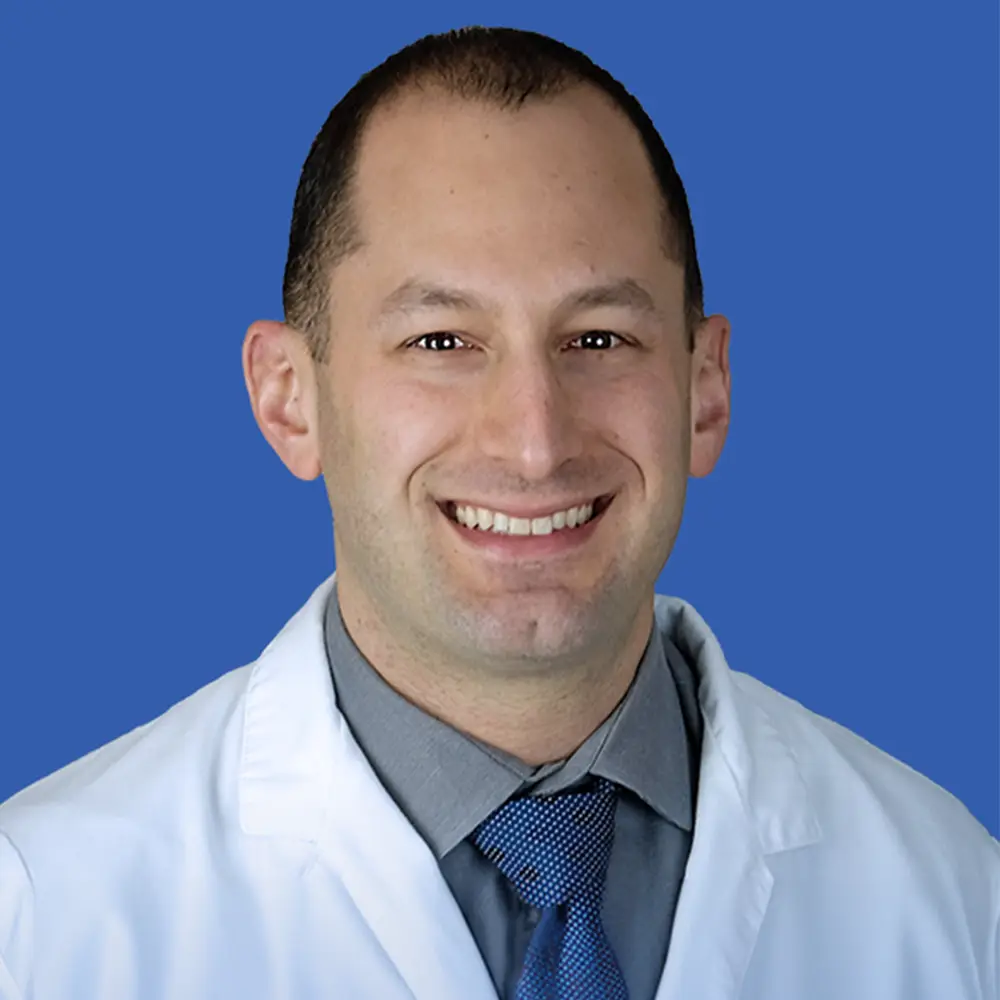
At Spring Valley Dental Care, patients are cared for by Dr. John Mady, DDS, FAGD, AFAAID. Dr. Mady’s approach emphasizes patient education, clear communication, and personalized treatment planning—especially for more complex cases such as full-arch tooth replacement. If you would like to learn more about Dr. Mady’s background and approach, visit: https://dentalcarespringvalley.com/our-doctor/

Dr. Mady’s Highlights (At a Glance)
• DDS – New York University (NYU)
• MS in Biomedical Science – Rutgers University
• Fellow of the Academy of General Dentistry (FAGD)
• Associate Fellow of the American Academy of Implant Dentistry (AFAAID)
• Training and experience supporting implant-focused care and patient comfort

What Does “All-on-X” Mean?

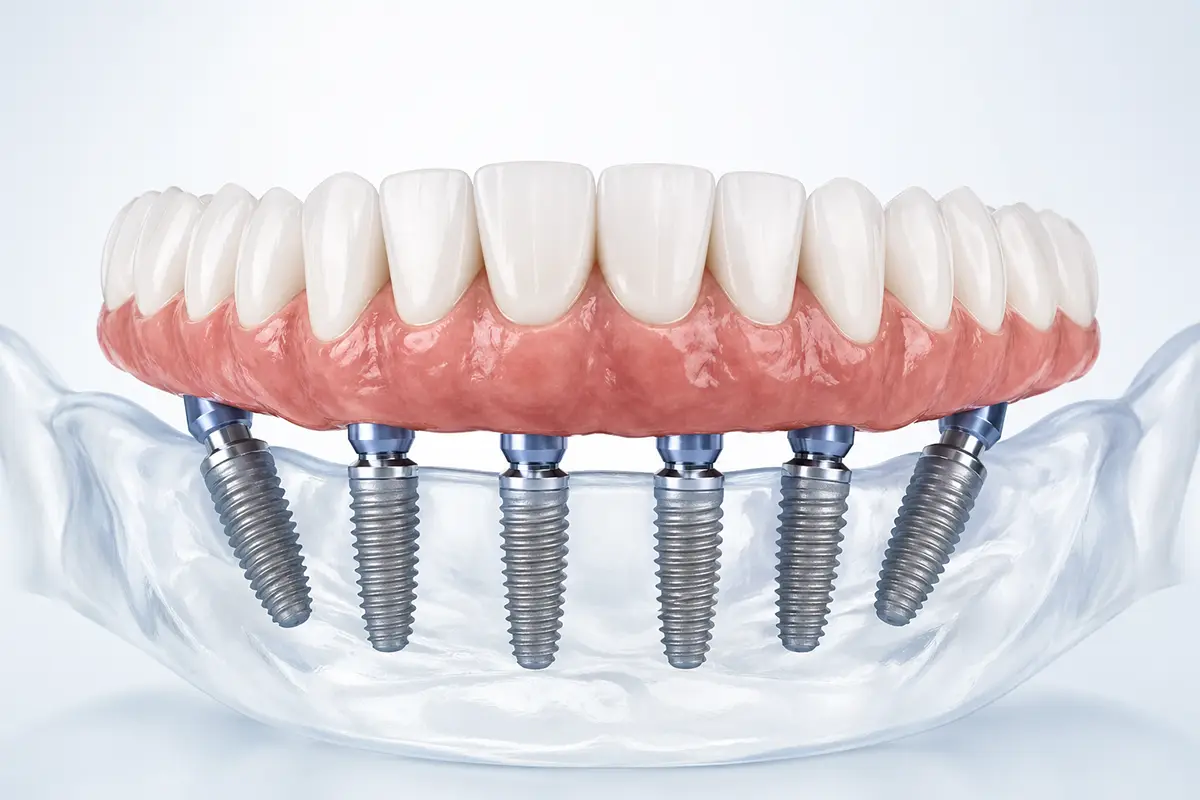
“All-on-X” is a general term for replacing a full arch of teeth using a set number of dental implants. The “X” simply means the number of implants used to support the restoration. For example, some cases use 4 implants, others may use 5, 6, or more depending on your bone quality, your bite, and the design of the final teeth.

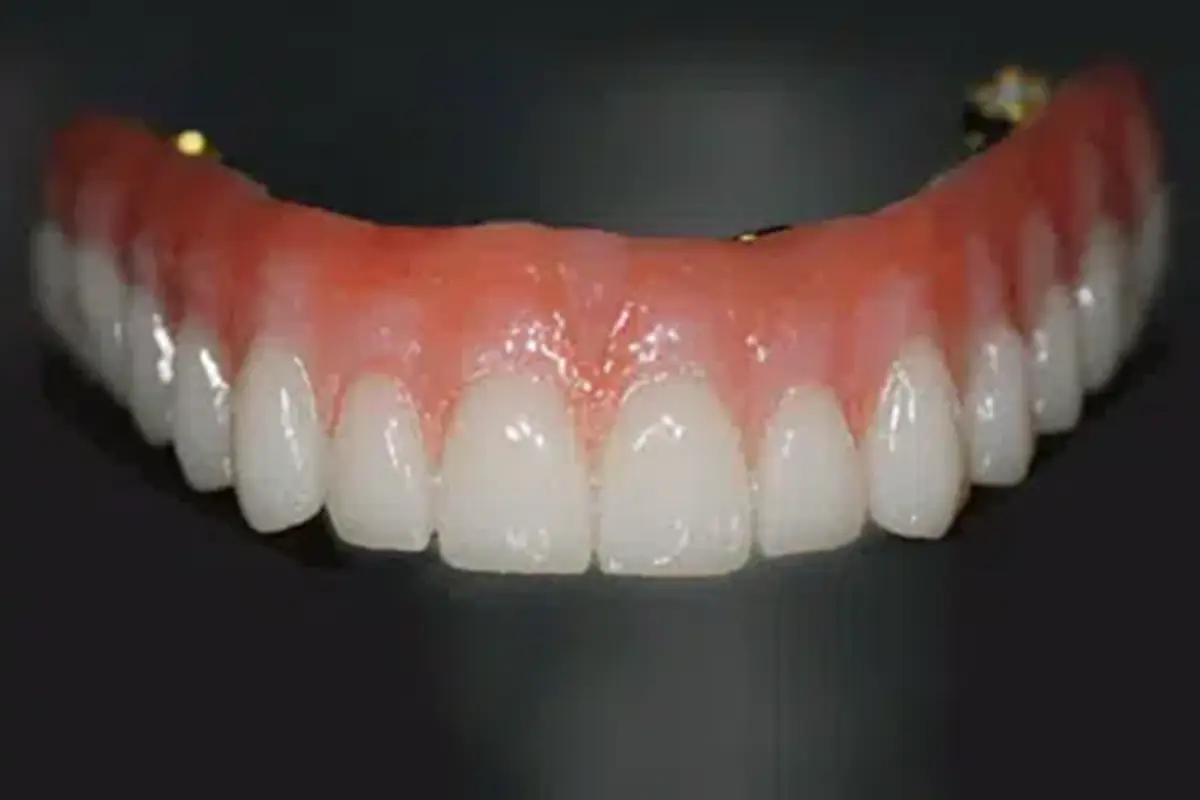
All-on-X typically refers to a fixed solution—meaning the replacement teeth are attached to implants and are not meant to be removed daily like a traditional denture.

Why Patients in Maywood, NJ Consider All-on-X

Patients often explore All-on-X when they want to move away from the daily challenges of missing teeth or unstable dentures. Common reasons include:
• A denture that slips, clicks, or needs adhesive
• Difficulty chewing foods you used to enjoy
• Multiple failing teeth with recurring infections or fractures
• Worn-down teeth from years of dental breakdown
• Embarrassment about smiling or speaking in public

Many people from Maywood and nearby areas like Paramus and Hackensack like the idea of a solution that can improve stability and function while also supporting facial structure.

Who May Be a Candidate for All-on-X?

The best way to determine candidacy is with an in-person evaluation, imaging, and a full treatment plan. In general, All-on-X may be considered if you:
• Are missing many teeth or are expected to lose most teeth in an arch
• Have a denture and want a more stable alternative
• Have teeth that are “hopeless” due to gum disease, decay, or fractures
• Want a fixed, implant-supported option rather than a removable solution

Factors That Can Affect Candidacy
A Maywood NJ dentist will typically evaluate the following:
• Gum health: Active gum disease must be treated and stabilized
• Bone health: Bone quality and volume influence implant planning
• Medical history: Conditions like uncontrolled diabetes may affect healing
• Smoking/vaping: Can increase implant complication risk
• Clenching/grinding: May require bite protection and design adjustments

If you have significant bone loss, you may still be a candidate, but the plan may require additional steps, different implant placement strategies, or alternative designs.

Benefits of All-on-X Compared to Traditional Dentures

While every case is different, patients often consider All-on-X because it may offer advantages over removable dentures, such as:
• Improved stability: Less movement compared to many traditional dentures
• More confident chewing: Many patients find it easier to eat a wider range of foods
• Clearer speech: A more stable prosthesis may reduce slipping while talking
• No denture adhesive: Many implant-supported options do not rely on paste
• A fixed feel: Teeth are attached to implants rather than removed nightly

A local dentist in Maywood, NJ can help you compare realistic outcomes based on your oral health, anatomy, and goals.

All-on-X vs. All-on-4 vs. Individual Implants

You will often see “All-on-4” in online searches. All-on-4 is one specific approach that commonly uses four implants to support a full arch. However, not every patient is best served by the same number of implants.

For more information about the All-on-4 full-arch fixed solution, visit:
https://dentalcarespringvalley.com/all-on-4-full-arched-fixed-solution/

All-on-4 (One Variation)
• Often uses four implants to support a full-arch bridge
• May be planned to maximize available bone in certain anatomies
• Can be appropriate for certain bone patterns and goals

All-on-X (More Flexible)
• The number of implants can vary
• Planning is based on bite forces, bone, and clinical goals
• May provide additional support in some cases, depending on design

Individual Implants (Tooth-by-Tooth)
• Best when you only need to replace a few teeth
• May be less efficient for a full arch if many teeth are failing
• Can be more complex when multiple teeth require extraction and replacement

A thorough exam and imaging—often including 3D planning—helps determine what approach is appropriate for you.

What to Expect: Step-by-Step All-on-X Treatment

While treatment varies by patient, here is a common sequence your dentist may follow.

  1. Consultation and Imaging
    Your visit typically includes:
    • A detailed exam of teeth, gums, and bite
    • A discussion of your goals (function, aesthetics, timeline)
    • Imaging such as panoramic X-rays and often a 3D scan (CBCT) for implant planning
    • A review of medical history and medications

If you are coming from Rochelle Park, River Edge, or Saddle Brook, this is often the appointment where you get clarity on what is possible and what steps are involved.

  1. Treatment Planning
    Planning may include:
    • Whether extractions are needed
    • Implant number and placement strategy
    • Temporary tooth options during healing (if applicable)
    • Final tooth material options
    • A schedule for each phase
  2. Extractions and Implant Placement (If Needed)
    Some cases involve removing failing teeth before or during implant placement. Implant surgery is commonly performed with local anesthesia and, when appropriate, sedation options.
  3. Temporary Teeth (In Some Cases)
    Many patients ask, “Can I get teeth the same day?” In some cases, a temporary bridge may be delivered soon after extraction and implant placement. However, this depends on implant stability, bone conditions, and clinical judgment. It is not appropriate or safe to promise this for every patient.
  4. Healing and Follow-Up
    Dental implants need time to integrate with the bone. During this phase, you will have follow-ups to monitor healing and ensure the bite is controlled.
  5. Final Restoration
    Once healing is complete, your final fixed teeth are designed for long-term function and aesthetics. This includes bite fine-tuning, smile design, material selection, and maintenance planning.

Recovery and Aftercare Tips

Your dentist will provide specific post-op directions, but common recommendations may include:
• Eat softer foods during early healing phases
• Keep follow-up appointments to monitor healing
• Use prescribed rinses or medications as directed
• Avoid smoking/vaping, especially during healing
• Maintain excellent oral hygiene (implants still require daily care)
• Consider a nightguard if you grind your teeth

Long-term success is strongly tied to maintenance and professional monitoring.

Risks, Limitations, and Why Planning Matters

All-on-X can be an excellent solution for the right patient, but it is still a surgical and restorative procedure with potential risks. These may include:
• Infection or inflammation around implants
• Implant integration issues
• Bite-related complications (especially with clenching/grinding)
• Changes in bone and gum contours over time
• Prosthetic wear or breakage that requires repair or replacement

This is why a comprehensive plan—guided by proper imaging and bite analysis—is essential.

When It’s Urgent: Call a Dentist Right Away

If you have any of the following, do not wait:
• Facial swelling, fever, or a bad taste that may indicate infection
• Severe tooth pain that is not controlled with typical measures
• Bleeding that does not stop
• Trauma to the mouth or jaw
• Difficulty swallowing or breathing

If this is a medical emergency, call 911 or go to the nearest emergency room.

Summary

All-on-X is a full-arch dental implant solution that replaces an entire arch of teeth using a planned number of implants. It may be a strong option for patients with missing teeth, failing teeth, or unstable dentures who want a fixed, more stable alternative. The right plan depends on your anatomy, medical history, bite forces, and goals—so an evaluation and proper imaging are essential.

If you are researching All-on-X and looking for a Maywood NJ dentist, schedule a consultation to discuss whether full-arch dental implants are appropriate for your situation and what a realistic treatment plan would look like.

FAQs: All-on-X (Maywood, NJ)

How many implants are used in All-on-X?
It varies. “X” refers to the number of implants used to support a full-arch restoration—often 4, 5, 6, or more depending on your case.

Does All-on-X hurt?
Most patients report manageable discomfort after surgery, but experiences vary. Your dentist can discuss anesthesia and sedation options and how recovery is typically managed.

Can I get temporary teeth the same day?
In some cases, temporary teeth may be delivered soon after implant placement, but it depends on implant stability and bone conditions. Your dentist will advise what is safe for your case.

What if I have bone loss?
Bone loss does not automatically rule out implants. Your dentist may recommend different placement strategies or additional procedures depending on your anatomy.

How long does All-on-X last?
With proper planning, daily hygiene, and routine professional maintenance, All-on-X restorations can last many years. However, components can wear and may require repair or replacement over time.

Is All-on-X better than dentures?
It depends on your goals, anatomy, and preferences. Many patients prefer the stability of implant-supported teeth, but dentures can still be appropriate for some situations.

How do I clean All-on-X teeth?
Cleaning is critical. Your dentist may recommend special brushes, flossing tools, water flossers, and regular professional cleanings to maintain implant health.

Disclaimer: This blog is for educational purposes and is not medical advice. A dental evaluation is needed to determine the best treatment for your specific needs.

Use It or Lose It: Maximize Your Dental Benefits Before the Year Ends

As we head into September, it’s the perfect time to take advantage of your dental insurance benefits before they expire. Most insurance plans reset on January 1st, meaning any unused benefits are lost for good — including coverage for cleanings, exams, fillings, and other treatments that keep your smile healthy and strong. At Dental Care Spring Valley, we’re here to help you make the most of your benefits while there’s still time!


1. What Does “Use It or Lose It” Mean?

If you have dental insurance, your plan likely provides a set dollar amount to cover your preventive and restorative dental care each year. But if you don’t use those benefits before the plan resets, you lose them. That means you could be leaving hundreds—or even thousands—of dollars in unused benefits behind.

By scheduling now, you’ll not only avoid the end-of-year rush but also protect your oral health by catching small problems before they turn into big ones.

👉 Don’t wait—Schedule Your Appointment Online today to secure your spot before schedules fill up.


2. Why Preventive Visits Matter Now More Than Ever

Routine dental cleanings and exams are more than just a quick polish — they’re your first line of defense against tooth decay, gum disease, and costly dental problems down the road. If it’s been over six months since your last visit, this is the ideal time to come in.

Dr. John Mady and our experienced team will assess your oral health, discuss any changes you’ve noticed, and create a personalized care plan to keep your smile on track. Whether you need a cleaning, a crown, or whitening before the holidays, September is your window of opportunity.


3. No Insurance? No Problem!

We believe everyone deserves quality dental care—whether you have insurance or not. That’s why we offer an affordable in-house membership plan designed to make comprehensive care simple and stress-free.

Our Membership Programs include preventive services like cleanings and exams at no additional cost, plus exclusive discounts on other treatments. There are no deductibles, no waiting periods, and no hidden fees—just straightforward savings for you and your family.


4. Why Schedule in September?

  • Better appointment availability: Avoid the last-minute holiday rush.
  • Flexible planning: Complete multi-step treatments before the year ends.
  • Smarter savings: Maximize your annual insurance benefits while reducing out-of-pocket costs.
  • Health first: A healthy smile now means fewer surprises later.

By booking this month, you’ll set yourself up for a confident, stress-free holiday season — and ensure you’re getting every dollar’s worth from your plan.


Don’t Let Your Benefits Expire — Book Today!

Your dental benefits are part of your overall wellness investment. Don’t let them go unused! Whether you’re due for a cleaning, need restorative work, or want to start cosmetic treatment before year-end, our friendly team will guide you through every step.

📅 Ready to get started? Schedule Online Here
💳 No insurance? Learn about our Membership Plans
👨‍⚕️ Meet Dr. John Mady

End of Summer Smile Check-Up: Why August Is the Perfect Time for Preventive Dentistry

Introduction
Summer is winding down. Vacations, cookouts, and outdoor activities are in full swing—and your smile deserves to finish strong. At Dental Care Spring Valley, we believe August isn’t just the last hurrah of summer—it’s the ideal time to schedule your preventive dental visit, refresh your oral care routine, and prepare your smile for the busy months ahead.

In this post, we’ll explore three key reasons August is especially important for dental health, plus some great tips to keep your smile bright and healthy through the season change.


1. The “Summer Wear and Tear” Effect

By August many of us have been enjoying cold beverages, seasonal treats, and more outdoor time than usual. These habits can affect your oral health:

  • Ice-filled drinks and sugary cocktails often linger on teeth, increasing risk of enamel wear or early decay.
  • More social gatherings mean more snacking—sometimes between meals—so teeth are exposed to food acids more frequently.
  • Active outdoor kids, and adults too, may be more prone to chipped teeth, knocked-loose restorations or accidental injuries from summer sports.

What to do:

  • If you’ve been sipping iced or acidic drinks, rinse your mouth with water afterward to help dilute acids and avoid lingering on enamel.
  • Bring extra floss and travel-size toothpaste in your bag during outings, so you’re prepared for that impromptu snack.
  • If you’ve noticed any damage (a chipped tooth, loose filling, sensitivity) call us sooner rather than wait—August is a perfect time to catch things before autumn.

2. End-of-Summer Check-Up = Avoid the Fall Rush

As school, work, and fall activities ramp up, schedules fill quickly. Booking your dental check-up now gives you several advantages:

  • More appointment availability during a typically quieter month.
  • Time to complete any needed hygiene, fillings or cosmetic touch-ups before the busier season begins.
  • Opportunity to review your oral hygiene habits and reset them ahead of the “back to school / back to work” hustle.

Pro tip: During your visit we’ll perform a thorough exam, professional cleaning, check for any early signs of trouble (gum recession, wear, cracks), and partner with you on a personalized home-care plan for the months ahead.


3. Transition Into Healthier Habits For Autumn

August marks a natural transition point. Use this moment to refine your routine:

  • Reassess your toothbrush: Did you replace it six months ago? If not, now is the time. Consider upgrading to an electric brush or one with a soft bristle design for gentle yet effective cleaning.
  • Flossing check: If your floss routine has slipped, this is the month to recommit. Whether it’s traditional floss, interdental brushes, or a water flosser, find what works and stick to it.
  • Diet awareness: Fall may bring new treats (pumpkin-spiced, caramel apples, baked goods). Being mindful now helps you enjoy seasonal favorites without compromising your smile.
  • Hydration & oral health: The tail end of summer heat can mean dry mouth, which raises risk of cavities and gum issues. Drink plenty of water, chew sugar-free gum to stimulate saliva, and consider an alcohol-free mouth rinse if dryness persists.

Why Choose Dental Care Spring Valley?

At Dental Care Spring Valley, Dr. John Mady and our team take pride in delivering high-quality care in a comfortable, friendly environment. Whether you’re here for a routine cleaning, cosmetic refresh, or more advanced dental treatment, we’re committed to clear communication and excellent outcomes. Spring Valley Dental Care

August is the perfect time to secure your appointment—let’s make sure your smile is strong, healthy and ready for whatever the coming months bring.


Call to Action
Ready to schedule your end-of-summer dental visit? Give us a call or use our online scheduler today. Let’s keep your smile shining as summer ends and fall begins!

Celebrate Summer with a Healthy Smile – Preventive Dental Tips from Your Maywood, NJ Dentist

July is here, and with it comes fireworks, family cookouts, and summer fun. But between vacations, BBQs, and busy schedules, it’s easy to let your oral health take a backseat. At Dental Care Spring Valley, your trusted Maywood NJ dentist, we’re here to remind you that summertime is the perfect time to get back on track with your dental care.


☀️ Why Summer is the Perfect Time for a Checkup

  • Flexible schedules – With school out and more time off work, it’s easier to fit in appointments for you and your family.
  • Stay ahead of problems – Cavities, gum disease, and worn-down dental work don’t take vacations. A quick checkup now can save you time, money, and discomfort later.
  • Fresh start for back-to-school – July is ideal for scheduling kids’ cleanings before the school year rush begins.

🦷 What Happens During a Preventive Dental Visit?

When you visit our Maywood office for a checkup, here’s what to expect:

  • Professional dental cleaning to remove plaque and tartar
  • Oral exam by Dr. John Mady to spot early signs of cavities or gum issues
  • Digital X-rays (if needed) to see what’s happening below the surface
  • Personalized recommendations for at-home care or further treatment if needed

We’ll make sure your smile is summer-ready and set up for long-term health!


🌽 BBQ Foods That Are Great for Your Teeth (and Some to Watch Out For)

To enjoy:
✅ Grilled veggies
✅ Cheese trays
✅ Lean proteins like chicken and fish
✅ Watermelon and apples

To limit:
🚫 Soda and lemonade
🚫 Sticky BBQ sauces
🚫 Chips and crackers
🚫 Sugary ice pops

Pro tip: Rinse with water after eating and chew sugar-free gum to help clean your teeth when brushing isn’t possible.


🗣️ From the Maywood Community

“I always bring my kids in July before school starts. The team is amazing, and the appointments are fast and easy!” – Julia S.
“Best dentist in Maywood. Dr. Mady truly cares and makes each visit comfortable.” – Bryan R.


Book Your Summer Cleaning Today

Don’t let summer slide by without giving your smile some attention. Whether it’s been six months or several years, now’s the perfect time to schedule a cleaning with your friendly Maywood NJ dentist.

📍 Dental Care Spring Valley
930 Spring Valley Road
Maywood, NJ 07607
📞 (201) 975‑4821

Call today or request an appointment online—we’ll help your smile shine all summer long!


Stay Calm and Smile On: Sedation Dentistry in Maywood, NJ

Does the thought of going to the dentist make your heart race? You’re not alone—and you’re not without options. At Dental Care Spring Valley, your trusted Maywood NJ dentist, we offer safe and effective sedation dentistry to help patients feel relaxed and at ease during any dental procedure.

Whether you’ve had a bad experience in the past, suffer from anxiety, or need extensive dental work, sedation dentistry can make all the difference.


What Is Sedation Dentistry?

Sedation dentistry uses medication to help patients stay calm, comfortable, and sometimes even sleep through their dental procedures. It’s ideal for:

  • Patients with dental anxiety or phobia
  • People with a strong gag reflex
  • Those undergoing lengthy or complex procedures
  • Children or adults with special needs
  • Patients who’ve avoided the dentist for years

At Spring Valley Dental Care, we offer several sedation options tailored to your needs.


💤 Types of Sedation We Offer

1. Nitrous Oxide (Laughing Gas)
A mild sedative inhaled through a mask. It takes effect quickly, wears off fast, and allows you to drive yourself home.

2. Oral Sedation
Taken as a pill before your appointment, oral sedation provides deeper relaxation. You’ll remain awake but in a calm, drowsy state.

3. IV Sedation
Best for complex procedures or high anxiety, this is administered by a trained provider and allows for a deeper, adjustable level of sedation.


What to Expect During Sedation Dentistry

  • You’ll be monitored carefully throughout your procedure
  • Most patients remember little or nothing afterward
  • You’ll need someone to drive you home (for oral or IV sedation)
  • We’ll walk you through every step so you feel fully prepared

Patient Success Story

“I avoided the dentist for 10 years because of fear. Dr. Mady recommended oral sedation, and it completely changed how I feel about dental care. I didn’t feel a thing—and now I’m no longer afraid to go back!” – Nicole R., Maywood, NJ


Is Sedation Dentistry Right for You?

If you’ve been putting off dental work because of fear, embarrassment, or discomfort, sedation dentistry might be the key to restoring your oral health—and your confidence.

📍 Dental Care Spring Valley
930 Spring Valley Road
Maywood, NJ 07607
📞 (201) 975‑4821

Schedule your consultation with your caring Maywood NJ dentist, Dr. John Mady, and find out how sedation dentistrycan help you relax, restore, and smile again.

Missing Teeth? May is the Perfect Time to Learn About Dental Implants in Maywood, NJ

If you’re struggling with missing teeth or loose dentures, you’re not alone—and you’re not without options. At Dental Care Spring Valley, your trusted Maywood, NJ dentist, we specialize in restoring smiles with dental implants that look, feel, and function just like natural teeth.


🌟 What Are Dental Implants?

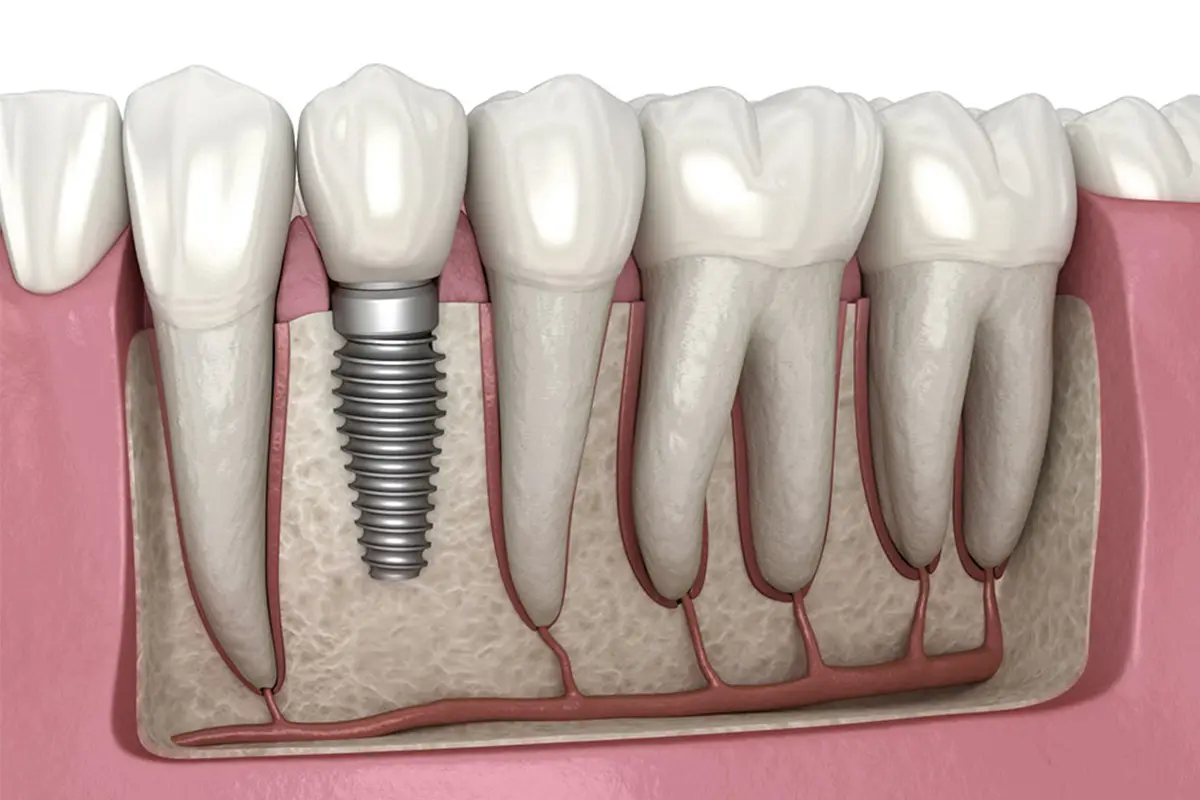
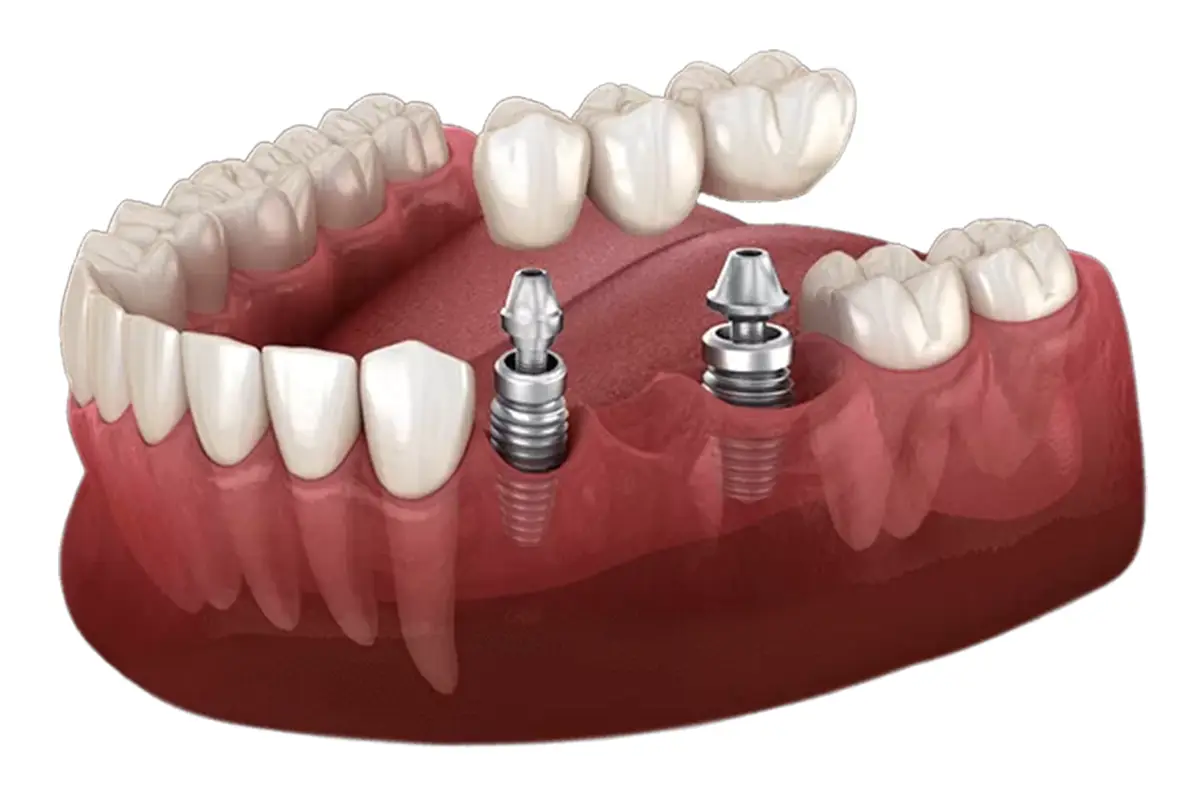
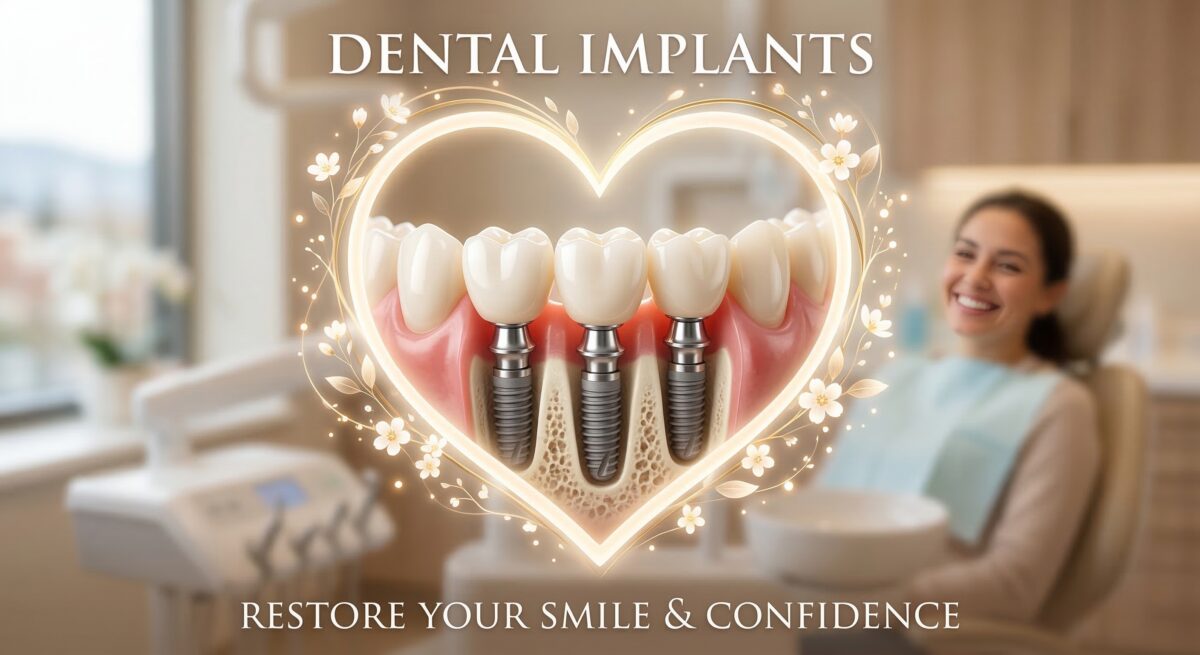
Dental implants are the gold standard for replacing missing teeth. They consist of three parts:

  • titanium post that acts as an artificial tooth root
  • An abutment that connects the post to the crown
  • custom dental crown designed to match your natural teeth

Whether you’re missing one tooth or several, dental implants offer a permanent, stable, and incredibly natural-looking solution.


✅ Why Choose Dental Implants?

1. Long-Lasting Results
With proper care, dental implants can last 20+ years—much longer than bridges or dentures.

2. Natural Look & Feel
Implants are anchored into the jawbone, so they don’t slip or shift like dentures. You can eat, talk, and smile with total confidence.

3. Preserve Bone & Facial Structure
Implants help prevent bone loss and facial sagging that can occur with missing teeth or long-term denture use.

4. Easy Maintenance
No special soaking or adhesives. Just brush, floss, and schedule regular checkups—just like with natural teeth.


🦷 Who’s a Good Candidate?

Most healthy adults are great candidates for implants, especially if:

  • You’re missing one or more teeth
  • You have healthy gums and good oral hygiene
  • You want a fixed, non-removable solution
  • You’re tired of loose dentures or bridges

Dr. John Mady will assess your oral health and jawbone density during a personalized consultation to determine if implants are right for you.


💬 Hear What Our Patients Say

“I finally have my confidence back. Dr. Mady walked me through the entire implant process. It was easier than I expected, and the results are amazing!” – Cheryl D.

“After years of struggling with dentures, I got two implants and they changed my life. Best decision I ever made.” – Ken F.


Schedule Your Dental Implant Consultation Today

This May, give yourself the gift of a complete, confident smile. Our team at Dental Care Spring Valley is here to answer your questions, explain your options, and help you move forward with a treatment plan that fits your needs and budget.

📍 Dental Care Spring Valley
930 Spring Valley Road
Maywood, NJ 07607
📞 (201) 975‑4821

Schedule your dental implant consultation today with your experienced Maywood NJ dentist, and discover the difference a complete smile can make!

Spring into a Healthier Smile – March Dental Tips from Your Maywood, NJ Dentist

As the days get longer and spring begins to bloom, March is the perfect time to refresh your smile! At Dental Care Spring Valley, your trusted Maywood NJ dentist, we’re here to help you shed winter’s wear and embrace the season with clean, healthy teeth.


🍀 5 Ways to Freshen Your Smile This Spring

1. Schedule Your Spring Cleaning
Just like you declutter your home in March, it’s time to clear away plaque and tartar. A professional dental cleaning helps prevent gum disease and tooth decay while keeping your smile fresh.

2. Brighten Up with Teeth Whitening
Get your smile ready for spring photos, weddings, or vacations with in-office or take-home whitening options customized just for you.

3. Replace Old Dental Work
Have a cracked filling or worn crown? Dr. John Mady can help restore strength, function, and beauty to your bite with long-lasting materials and expert technique.

4. Don’t Ignore Gum Health
Bleeding when you brush? That could be an early sign of gum disease. March is the ideal month to get ahead of it before symptoms worsen.

5. Review Your Oral Care Routine
Spring is a time for renewal—make sure your toothbrush isn’t older than 3 months, floss daily, and consider switching to an electric brush for better results.


🦷 March is a Busy Time for Smiles in Maywood!

Whether you’re preparing for spring break, family gatherings, or just craving a clean slate, now is a great time to visit your Maywood, NJ dentist. We welcome patients of all ages and offer a full range of services, including:

  • Routine cleanings & exams
  • Cosmetic smile makeovers
  • Emergency dental care
  • Pediatric & family dentistry
  • Tooth-colored fillings & crowns

🗣️ Patient Praise from Maywood Locals

“The staff is professional and friendly. Dr. Mady is thorough and patient — I actually look forward to my cleanings!” – Grace T.

“Dental Care Spring Valley is my go-to. They explain everything clearly and really care about your comfort.” – Rob G.


Ready for a Fresh Start?

Start spring off strong by giving your smile the attention it deserves. Our friendly team is here to help you look and feel your best.

📍 Dental Care Spring Valley
930 Spring Valley Road
Maywood, NJ 07607
📞 (201) 975‑4821

Call or schedule online with your trusted Maywood NJ dentist — and let’s make March the month your smile blooms!

Show Your Smile Some Love This February – From Your Maywood, NJ Dentist

February isn’t just about flowers and chocolates—it’s also National Children’s Dental Health Month and the perfect time to give your smile the attention it deserves. At Dental Care Spring Valley, we’re proud to be your trusted Maywood, NJ dentist, helping patients of all ages maintain healthy, confident smiles all year long.


❤️ Love Your Smile: 5 Dental Tips for February

  1. Schedule a Dental Checkup
    The new year is flying by, and your 6-month checkup may already be due. Prevent cavities and catch small issues early with a professional cleaning and exam.
  2. Swap Sugar for Smile-Friendly Snacks
    Love is sweet, but excess sugar isn’t. Try replacing candies with dark chocolate (lower in sugar), nuts, or cheese to minimize your cavity risk.
  3. Make Oral Health a Family Affair
    February is the perfect time to schedule appointments for the whole family. Dr. John Mady and our team offer a warm, welcoming environment for kids, teens, adults, and seniors.
  4. Whiten for Date Night
    Planning a romantic dinner or special event? Ask about our cosmetic services like professional teeth whitening for a confidence boost.
  5. Protect Your Heart and Your Smile
    Did you know gum disease is linked to heart health? Regular dental care helps reduce inflammation and lowers your risk for systemic issues.


What Our Maywood Patients Are Saying

“Dr. Mady is gentle, professional, and truly cares about his patients. I bring my whole family here, and the kids actually enjoy their visits!” – Amanda B.
“Best dentist in Maywood. Honest, clean, and efficient!” – Mike T.


Book Your Visit Today

February is the month of love—so why not start with yourself? Your smile deserves expert care, and we’re here to help.

📍 Dental Care Spring Valley
930 Spring Valley Road
Maywood, NJ 07607
📞 (201) 975‑4821

Schedule your appointment today with your trusted Maywood, NJ dentist, Dr. John Mady, and let’s keep those smiles shining all year long!